By STEVEN SCHMITT
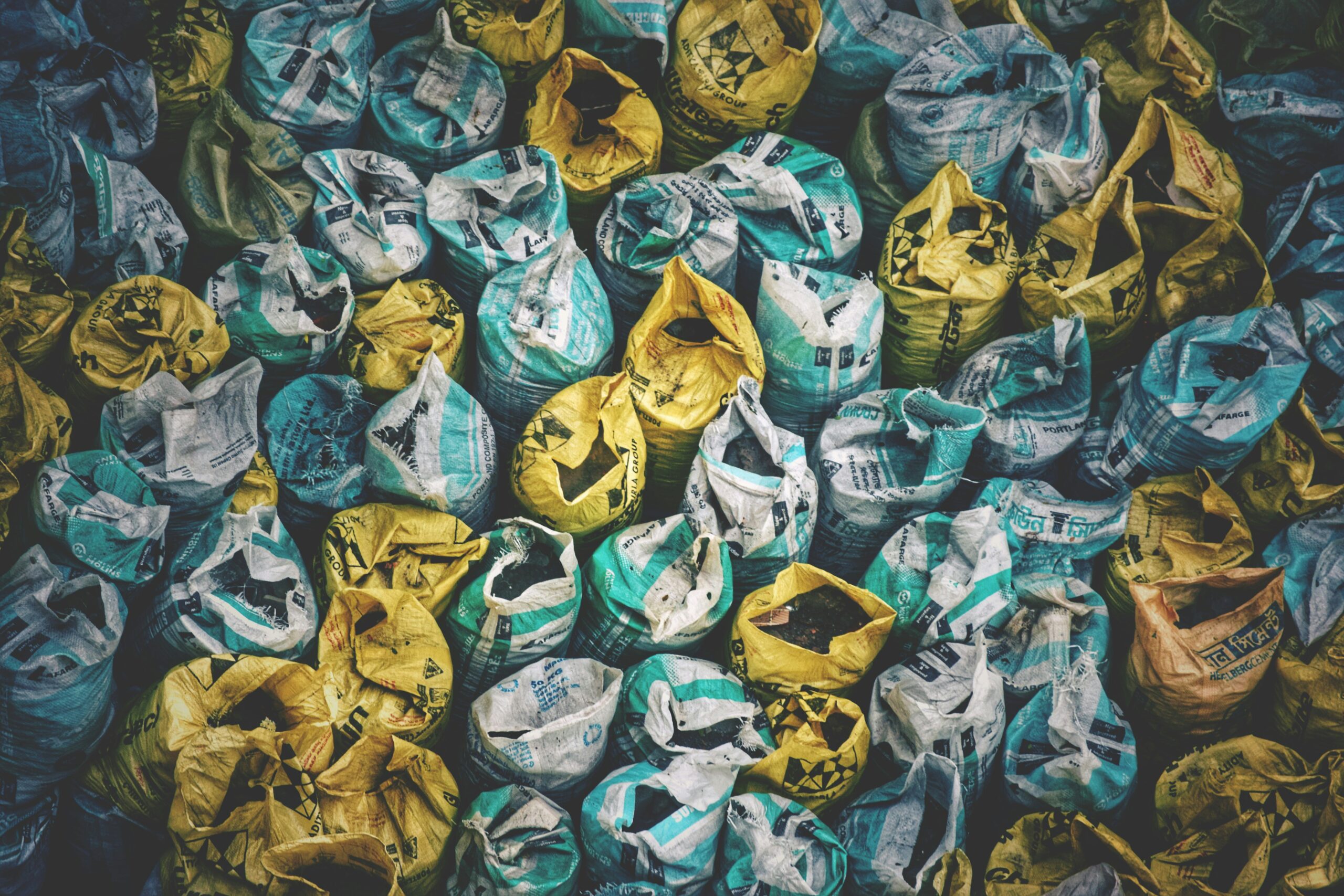
The construction industry generates a lot of waste – about 40 percent, or 3.57 billion tons globally each year, to be exact.
Included in those staggering numbers are recyclable materials such as wood, drywall, bricks, wiring and nails, as well as more hazardous wastes, like lead paint, solvents, chemicals and adhesives.
It’s an unavoidable part of the business that, if not handled correctly, can have devastating effects on your sustainability efforts, budget, worker safety and much more. Read on to learn how to effectively implement construction waste management on your job site, and why it’s so important.
How Do You Manage Waste on a Construction Site?
Implement a Waste Management Plan
Before you can begin work on a job site, there needs to be a well-thought-out waste management plan in place. This could include items such as:
- Identifying what the potential sources of waste will be
- Estimating the volume of waste you will be producing
- Determining the most appropriate disposal methods (ie. what can or cannot be recycled)
- Designating areas for waste bins or compost piles
- Figuring out the best ways to prevent chemical spills
- Covering any materials that stormwater might displace
- Scheduling frequent waste collections to prevent overflow
Once this has been made, make sure that everyone involved in the building project has been trained on the ins-and-outs of the waste management plan. This will ensure proper facilitation throughout all employee levels, resulting in less confusion and errors.
Research Materials and Vendors
In order to reduce the amount of waste leaving your commercial construction site, you’ll want to first reduce the amount of waste coming in. Try and pick construction materials that come in minimal packaging or are made from something recycled. Look for trustworthy vendors who will provide secure, leak-free waste containers. You also want to be sure that they are able to remove waste from the site in a timely manner as it’s generated – otherwise, you risk overflow.
Stay Organized
Organization is key when it comes to most aspects of a construction site, but it rings especially true with waste management. When creating your site plan, make sure to allocate specific areas for recycling, hazardous waste and general material storage. Doing so will ensure that materials get placed in the proper receptacles, minimizing opportunities for waste to enter the environment.
Why Is Construction Waste Management So Important?
Worker Safety
Construction sites pose enough hazards as is without the added risk of accidents due to poorly managed waste products. Workers can trip over debris, be injured by falling objects or get exposed to toxic materials that are detrimental to their health. Improperly stored chemicals can also leach into the environment and hurt the surrounding public. By practicing good waste management, you’ll be protecting your employees as well as those who live around your site.
Positive Environmental Impact
As mentioned previously, the construction industry creates a lot of waste as a byproduct of the building process – counteract those numbers by limiting the amount that ends up in landfills. Waste management promotes recycling products and reusing salvaged materials, thereby decreasing the amount of pollutants entering the environment.
Enhanced Reputation
In today’s day, environmental responsibility means a lot to both the general public and shareholders. By incorporating responsible waste management practices into your daily operations, you’ll earn yourself the reputation of being a business dedicated to minimizing its ecological footprint.
Cost Savings
It may come as a surprise, but taking the time to implement good construction waste management practices will actually help you save money in the long run. It can lower operational costs due to a streamlined workflow, increase profitability thanks to material recycling and prevent delays in operations caused by injury from improperly disposed waste.
Compliance With Regulations
There are many federal and state laws in place that govern the disposal of construction waste, like the Resource Conservation and Recovery Act (RCRA), which dictates how certain waste materials should be handled, stored and disposed of. By adhering to their guidelines, you avoid potential legal repercussions that will halt operations and lead to fines or the revoking of building permits.
Steven Schmitt is president of Joseph Schmitt Construction.

View Our Latest Print Edition
Fresh Content
Direct to Your Inbox