By MATT GORDON
In the construction industry, the use of appropriate safety apparel, or personal protective equipment (PPE), is essential to safeguard workers from various occupational hazards. PPE serves as the last line of defense against injuries and illnesses that can occur due to exposure to physical, chemical and environmental risks inherent in construction work.
Importance of Safety Apparel
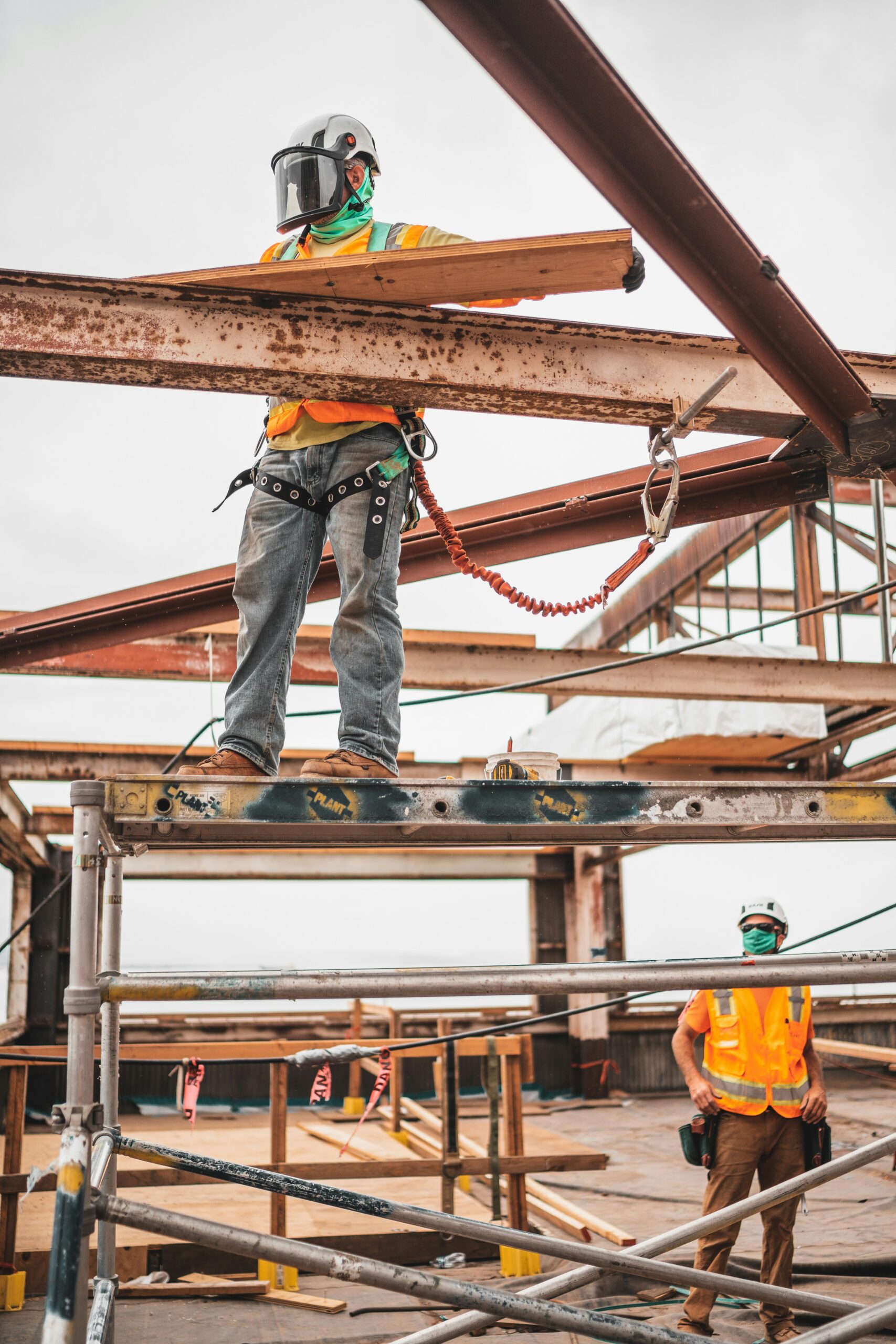
Construction sites present numerous dangers – including falls from heights, head injuries from falling objects, respiratory issues from dust and chemicals and skin injuries from sharp tools or hazardous substances. Proper safety apparel mitigates these risks:
- Head Protection: Hard hats protect workers from head injuries caused by falling or flying objects and collisions with fixed structures.
- Eye and Face Protection: Safety glasses and face shields guard against particles, debris and chemical splashes.
- Respiratory Protection: Masks and respirators prevent inhalation of harmful dust, fumes and vapors.
- Hand Protection: Gloves shield hands from cuts, abrasions, burns and chemical exposures.
- Body Protection: High-visibility clothing enhances worker visibility, especially in high-traffic areas.
- Foot Protection: Steel-toed boots prevent foot injuries from heavy objects, punctures and slips.
Fire-Resistant (FR) Apparel
One critical but sometimes overlooked category of construction PPE is fire-resistant clothing. This specialized apparel is designed to self-extinguish and protect the wearer from burns and injuries caused by flash fires, electric arcs and other heat-related hazards.
When FR Apparel Is Required
FR apparel is particularly important for construction workers involved in:
- Electrical work (e.g., live wire exposure, arc flash risk)
- Welding, cutting or brazing
- Working near combustible materials or flammable liquids
- Jobsites where explosion or flash fire hazards are present
OSHA & NFPA Regulations
According to OSHA 29 CFR 1910.132 and 1910.269, employers must assess workplace hazards and provide FR clothing where there is a risk of exposure to flame or electric arc. For electric utilities and certain high-risk jobs, NFPA 70E and NFPA 2112 provide industry standards for FR garment performance.
- NFPA 70E: Establishes requirements for electrical safety in the workplace, including arc flash PPE categories and minimum protection ratings (measured in calories/cm²).
- NFPA 2112: Specifies minimum performance criteria and test methods for FR garments used in areas at risk of flash fires.
Industry Insight
According to Electrical Contractor Magazine, inadequate or non-compliant FR gear has been cited in numerous workplace injury investigations. Ensuring that workers wear properly rated FR clothing reduces liability, downtime and – most importantly – saves lives.
Regulatory Requirements and Standards
The Occupational Safety and Health Administration mandates that employers provide and ensure the use of appropriate PPE in construction settings. According to OSHA standard 1926.28(a), employers must require PPE in operations where employees are exposed to hazardous conditions.
In December 2024, OSHA finalized a rule requiring that PPE must properly fit each construction worker. This change addresses concerns – especially from women and workers with non-standard body sizes – about the availability of appropriately sized PPE.
Critical Key Considerations for Selecting PPE
- Proper Fit: Ill-fitting PPE reduces protection and may cause discomfort or accidents.
- Comfort: Comfortable gear promotes regular use and compliance.
- Durability: Construction PPE must withstand physical stress and environmental exposure.
- Standard Compliance: PPE should meet or exceed OSHA, ANSI and NFPA standards.
Choosing the Right Partner
Selecting the right partner for your safety apparel and uniforms is just as important as choosing the right PPE. The provider you work with must offer consistency, compliance, customization and cost-effectiveness.
When Selecting a Uniform Partner, Consider:
- Massive Product Range: Comprehensive catalogs of PPE and workwear – ensuring every employee is fully equipped, head to toe.
- Factory-Direct Model: With complete control over production and distribution, which delivers unmatched quality and pricing consistency.
- Global Trust, Local Service: International expertise with responsive local support.
- FR & Arc Flash Innovation: Their proprietary Bizflame and Modaflame lines meet stringent NFPA and ASTM standards – perfect for construction and utility sectors.
- Compliance Leadership: OSHA’s 2024 fit regulations, offering inclusive sizing and ergonomic designs for every worker.
- Sustainability: The increasing range of ECO workwear proves safety and environmental responsibility can go hand in hand.
Bottom Line: Premium safety apparel at a price that makes sense – without compromising on quality, compliance or worker comfort. They’re not just a supplier; they’re a true safety partner.
Conclusion
The proper selection and use of PPE – including fire-resistant clothing and a reliable uniform provider – is essential to worker protection and compliance. With the right apparel and the right partner, you’ll create a safer, more productive jobsite that meets today’s standards and tomorrow’s expectations.
Matt Gordon is CRO of Image Solutions USA.

View Our Latest Print Edition
Fresh Content
Direct to Your Inbox