
Seeing Construction Waste as a Resource
By OLUWATOMIWA ADESOKAN
When we think about construction, we often focus on what is being built. But an important question is rarely asked: What happens to the waste left behind?
Construction and demolition activities generate massive amounts of waste – concrete rubble, steel scraps, bricks, wood, asphalt and other materials. In many cases, these materials end up in landfills, creating environmental and economic challenges.
But what if we stopped seeing construction waste as waste?
What if we saw it as a resource?
This is where construction and demolition waste recycling (C&D becomes critical.
Recycling construction waste allows engineers and contractors to recover valuable materials that can be reused in new projects.
For example:
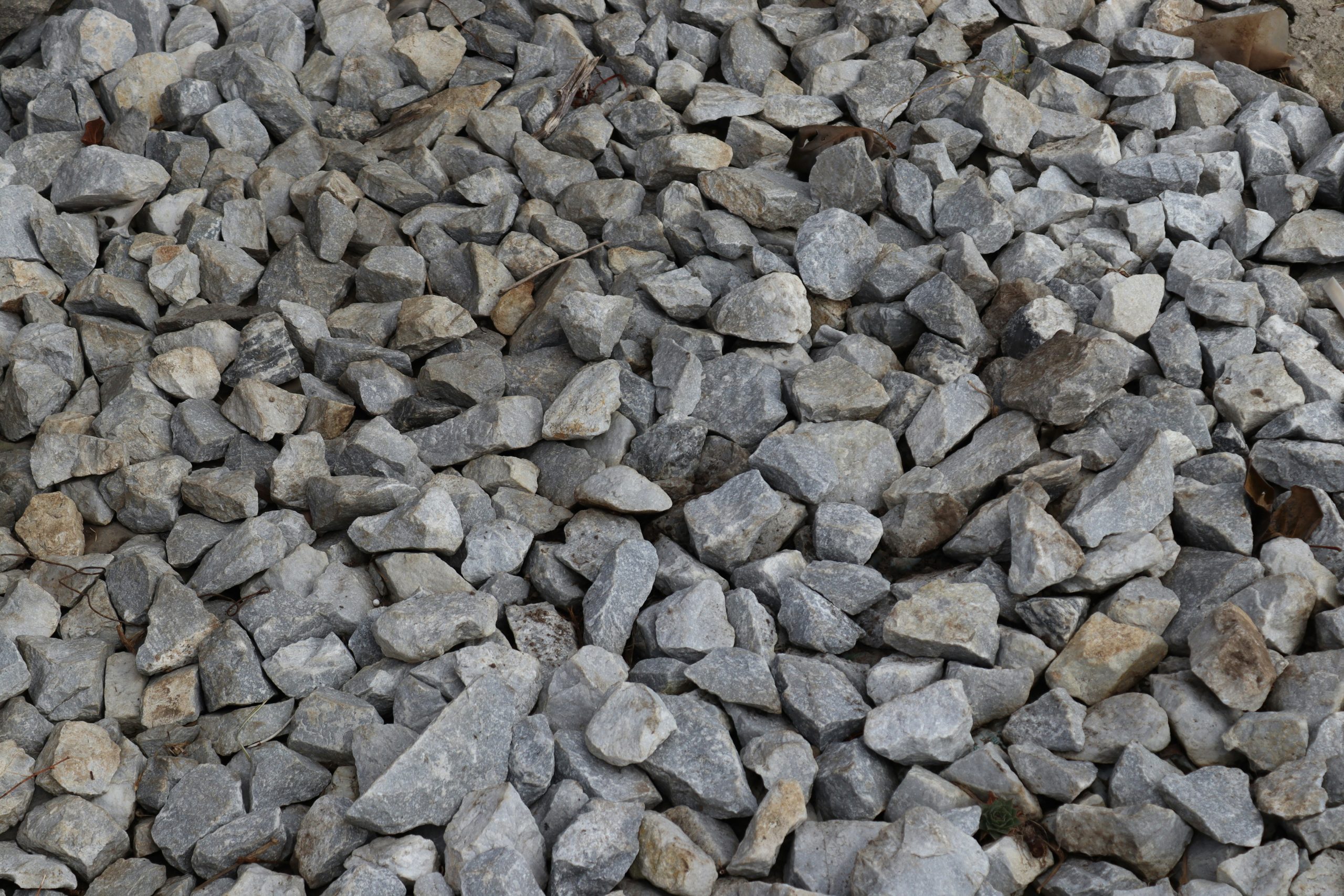
✅ Crushed concrete can serve as aggregate for roads and foundations.
✅ Recycled steel can be melted and reused in structural applications.
✅ Asphalt can be processed and incorporated into new pavement layers.
✅ Wood waste can be repurposed into engineered products or biomass energy.
Why does this matter?
Recycling construction waste helps to:
— Reduce pressure on landfills
— Lower demand for virgin raw materials
— Reduce project costs in some cases
— Support a circular economy in the construction industry
As civil engineers, sustainability isn’t only about what we build; it is also about how efficiently we use resources throughout a project’s lifecycle.
The future of infrastructure depends not only on innovation in design and materials, but also on our ability to minimize waste and maximize value.
Sometimes, the materials we throw away today could become the foundation of tomorrow’s infrastructure.
Oluwatomiwa Adesokan is a licensed civil engineer.

View Our Latest Print Edition
Fresh Content
Direct to Your Inbox