
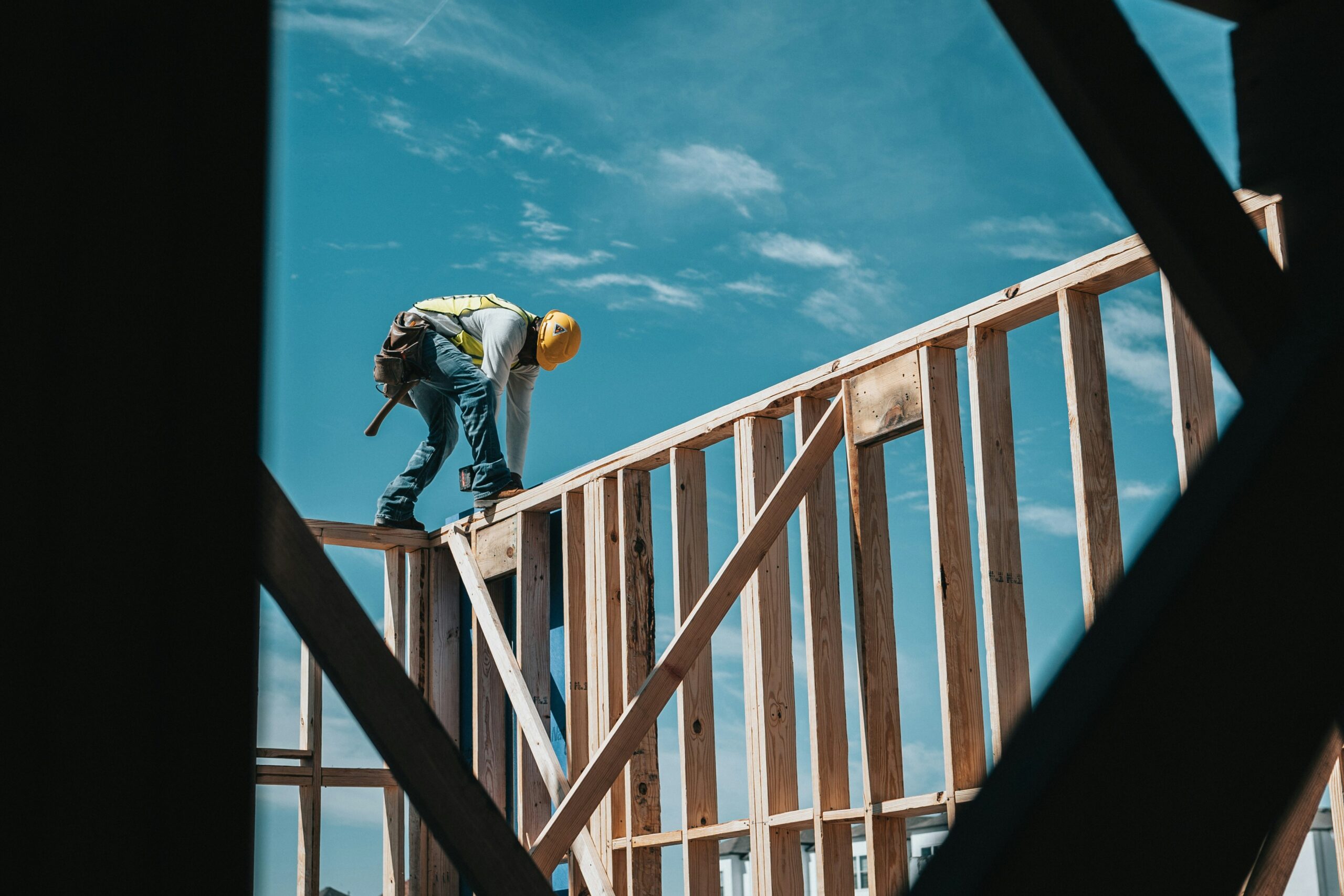
Navigating the Construction Worker Shortage
By JACK TATE
The construction industry is booming, with projects popping up everywhere. However, there aren’t enough skilled construction workers to meet this growing demand.
The Associated Builders and Contractors predicted the industry needed 439,000 more workers in 2025 alone. This underscores the shortage’s widespread impact.
Another NAHB study points to an even greater annual need: 723,000 per year.
Why Does the Construction Worker Shortage Exist?
Several factors contribute to the construction worker shortage. One significant aspect is that older construction workers are retiring, and there are not enough younger people entering the construction trades to replace them.
The National Center for Construction Education & Research estimates about 41 percent of the workforce will retire by 2031. This is on top of existing vacancies and projected new job openings. These openings are due to planned or funded expansion projects that must be filled across several categories.
These categories range from entry-level construction workers to foremen, senior project managers and tradesmen. Additionally, construction firms need trade contractors for specific tasks. The Great Resignation also played a significant role in the labor shortages.
After COVID-19, many workers across every sector reevaluated their careers. Some associated the trades with difficult construction worker conditions, manual labor or lower wages. This combination affected the labor supply, especially for small businesses dependent on local workers.
It’s like the overall worker shortage affecting various industries, even tech, as seen in other worker shortage situations.
Even highly technical fields – like aerospace – experience worker shortages, delaying or canceling projects due to insufficient construction labor. This deals another blow to the local and national economies. The lack of skilled laborers creates difficulties across public, commercial, and even real estate projects.
The Impact of the Construction Worker Shortage
What are the consequences of not having enough construction workers? It leads to significant project delays and increased materials prices.
These delays affect other industries, shifting their schedules without notice. Projects slow down and budgets increase, forcing companies to reject jobs they could usually handle. This issue also hinders apprenticeship programs to bring new talent into the payroll construction sector.
Delays and Budget Overruns
With fewer skilled professionals and trade contractors available, projects face significant delays. Even highly complex, large projects suffer, with general contractors struggling to find the necessary workforce.
Studies show many firms cite labor issues as the primary reason for missed deadlines and rising costs, straining existing construction resources. This contributes to the latest economic news regarding increasing costs and inflation.
Reduced Productivity and Quality Concerns
As timelines shrink and teams become stretched thin, the construction worker shortage impacts quality. Rushing leads to less care and detail-oriented precision. This negatively impacts everything downstream, affecting commercial construction and public construction projects.
Safety Risks on the Jobsite
Training new workers takes time. Rushing their training to fill gaps in the workforce exposes them to more significant safety risks. The labor force participation rate for young people in construction trades is declining, exacerbating the problem.
A study by Travelers Insurance found more than half of workers’ compensation claims come from employees with fewer than one year of experience. This highlights increased liability issues due to the worker shortage. This challenge underscores the need for robust professional development and effective apprenticeship programs within the construction labor force.
Addressing the Construction Worker Shortage
Tackling this complex issue requires a multifaceted approach involving multiple stakeholders, including the National Association of Home Builders and the Census Bureau.
While no single solution will entirely fix the labor shortage, various strategies can be combined to promote construction employment growth and develop a more sustainable labor market. These involve improving construction worker benefits, increasing wages to match the national average, investing in construction education and exploring innovative construction technology to improve efficiency and safety on construction sites. Such initiatives can positively influence labor statistics, improving workforce demand and supply dynamics within the construction industry.
Investing in Workforce Training and Development
More apprenticeships, vocational programs and on-the-job training are essential. These programs provide aspiring construction workers the necessary skills, increasing labor force participation. This benefits individuals, providing rewarding careers and improving their labor force participation rate.
These programs also supply the construction industry with much-needed skilled construction workers and help meet the industry’s growing share of skilled labor needs.
Attracting New Talent
Promoting construction worker benefits is crucial. Offering more than just wages can change how prospective construction workers perceive these careers. Comprehensive health insurance, retirement plans, educational opportunities and paid leave can attract people to construction jobs.
Improving Working Conditions and Safety
Construction is demanding work. Emphasizing health, safety and mental well-being is paramount. Showing genuine care for employees’ overall well-being sends a strong message. It shows that their contributions and commitment are valued.
Embrace Modern Technology
Technological advancements drive growth in multiple ways. Incorporating AI into workflow management, data-driven project scheduling software, digital communications apps and robotics systems can improve efficiency. Technologies can automate repetitive or dangerous activities, enhancing onsite safety.
New construction techniques like prefabrication and modular systems can expedite projects. These advancements reduce schedules and overall costs for customers. They also positively impact team morale for on-site laborers, enhancing payroll construction and reducing reliance on everyday hiring practices.
Conclusion
The construction worker shortage is a significant issue affecting project timelines, budgets and safety. However, proactive strategies offer solutions. Focusing on training, recruitment, improved working conditions, safety enhancements and innovative technologies can build a more sustainable workforce.
Valuing workers’ contributions to rebuilding communities and essential infrastructure projects demonstrates care and gratitude. These efforts can mitigate the long-term effects of the construction worker shortage.
Jack Tate is president and CEO of the Associated Builders and Contractors Rocky Mountain Chapter.

View Our Latest Print Edition

Fresh Content
Direct to Your Inbox