
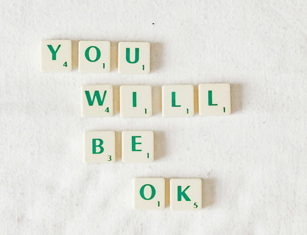
Mental Struggles are Not Mental Illness: Encourage Coworkers, Let Them Know it’s OK to not be OK
By VINCE HAFELI, DBA
My connection with – and passion for – advocacy in the field of mental health, particularly in the construction industry, stems from my own educational pursuits and from my personal story.
After nearly 40 years in the construction industry, I went back to school to earn my doctoral degree in business administration.
I chose to research the topic of suicide in the construction industry. In construction and mining extraction, we have the highest rate of suicides per industry sector in the U.S. Currently in construction we lose 14 to 18 lives per day to suicide.
If we turn the clock back to 2007, probably half a mile from where I sit in my office today,
I came out one night to end my own life. That’s where I came to be finished. But I got a telephone call just minutes before that turned me around and sent me back home.
From that night in 2007 until 2021, only three people ever knew of that night: myself, my wife at the time and my son. For 14 years, I never talked about it. Then on July 16, 2021, sitting here in this same building I am now, I told 16 of our department heads about that night. I just suddenly felt that it was the time to do it.
And soon after that day, my view that people in this industry are harsh, tough and would laugh at you radically changed. I learned that they’re actually pretty compassionate.
In February 2022 I was able to launch a national initiative to bring industry leaders to sign a proclamation committing to beginning having discussions about mental health awareness and suicide awareness in their organizations.
I’ve seen a great change in our industry, due to the hard work by so many mental health advocates. That said, death by suicide in construction is still a scary reality. At our firm, we lost an employee to suicide last fall and another employee nearly two years ago.
If we’re really going to make a dent and make a difference, we’ve got to begin with the C-suite. That’s how we began at Ajax Paving. At a company-wide safety day event, we shared with everyone that we were going to begin this journey. A couple of months later, we established a team we call the Ajax Warrior Team. And then we got our VPs and executive VPs to buy into it and begin talking about it.
All supervisors are trained in VitalCog – two-hour, construction industry-specific training that teaches signs to look for and questions to ask to ID people at risk and respond to a crisis. We have an in-house VitalCog-certified trainer because it’s that important.
Our Warrior Team is a voluntary group that includes 10 percent of our company.
Our Warriors are sprinkled throughout the firm – paving foreman, office workers, C-Suite professionals and others. This offers employees at all different levels in the company a person whom they already know to talk to. It’s an opportunity to influence people.
The topic of mental health crises scares a lot of people in this industry, because when you talk about someone’s having a mental health struggle, they immediately think they’re crazy or they’ve got the bipolar or they have something else.
Recently I was talking with one of my employees who is having a tough time right now, going through some mental struggles, some finance issues and a number of different things. But just because he is struggling doesn’t mean that he’s bipolar or schizophrenic or has depression or anxiety. It just means he’s going through something.
We should want our employees to come to us, particularly in this industry, and tell us that they’re having a struggle. Maybe you’re a guy who on the way to work today learned something – maybe your wife just called and said she received a breast cancer diagnosis, or maybe you learned that your dad was just diagnosed with dementia. Maybe it’s something that is understandably going to make you feel a little mentally off today. You’re not mentally ill, but you are distracted. Don’t you want to feel comfortable in showing up for work and saying, “Maybe I shouldn’t be setting that bridge beam over the interstate today?” or “Maybe you should have somebody else drive the crane today,” or “Maybe we should wait a day – or even an hour or two?”
In our industry, we lose more than two to three workers daily to things like trench collapses, electrocution, falls from height and suicide. I’m convinced that we could reduce these tragedies if we encourage people to say, “I’m having a struggle today.” Maybe that guy who fell off of a high-rise that he was building was thinking about the phone call he got, and he didn’t realize how close he had gotten to the edge. Or maybe that guy who swung a trench box around and accidentally hit somebody and killed or greatly injured a coworker was thinking about a call that he got today.
We are all doing better, but we can do even better. Create that environment within your company, on your jobsites and in your offices that makes it okay to not be okay and to tell someone about it.
Vince Hafeli, DBA, is president at Ajax Paving Company. With more than 40 years’ experience in the industry, he is also a nationally recognized leader in mental health advocacy, transformational leadership and suicide prevention. You can connect with Vince at [email protected].

View Our Latest Print Edition
Fresh Content
Direct to Your Inbox