
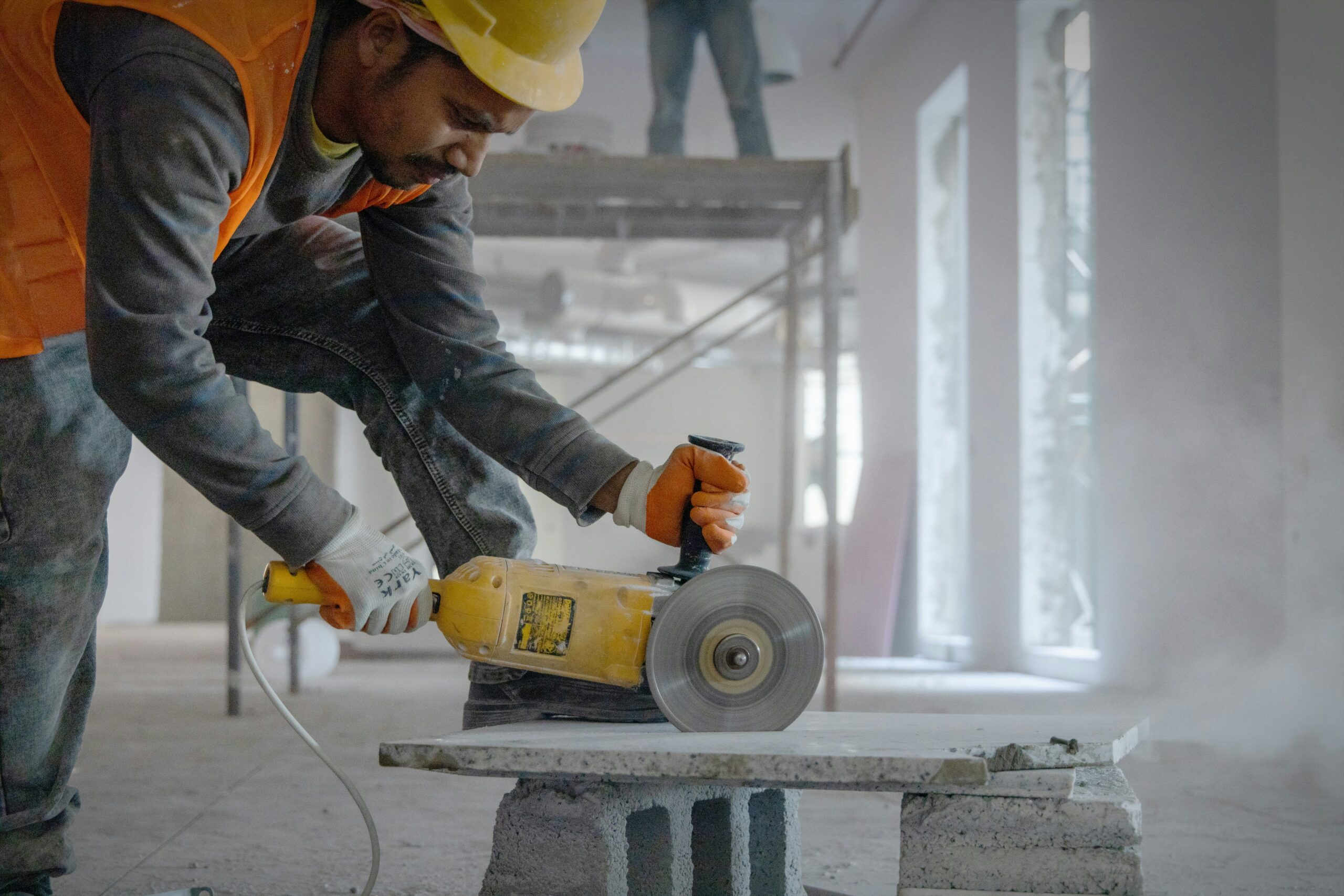
How Trade Education is Changing to Meet the Modern Workforce
By STEVE METZMAN
Trade Education Is Entering a New Era
For decades, the traditional path after high school in the United States was clear: attend a four-year college, earn a degree and enter the workforce.
That narrative is shifting as trades can pay six figures, tuition rises, student debt increases and a growing shortage of skilled workers push trade education back into the spotlight. Today, programs are being reimagined with technology, updated curriculum and stronger connections to real-world jobs. The result is a new generation of training programs designed to prepare workers more effectively and faster for high-demand industries.
Across the country, employers are struggling to find skilled workers in fields such as electrical, plumbing, carpentry, HVAC, construction and advanced manufacturing. At the same time, many young people are reconsidering whether a traditional college degree is worth the cost.
Trade education offers an alternative that is practical and financially appealing. Students can learn specialized skills, enter the workforce sooner and avoid large student loan debt.
But the trade schools of today look very different from those of previous generations.
The Rise of Digital Trade Training
Modern programs are increasingly integrating technology into training. Digital platforms, simulation tools and mobile devices allow students to learn technical and digital skills simultaneously. In rapidly evolving industries, this combination is essential.
Technology’s biggest impact is properly preparing workers and supporting hands-on learning rather than replacing it.
There’s a problem in many trade school training programs that the instructional framework and learning toolsets are outdated based on what’s being used on today’s construction jobsites. Today’s jobsites are digital and many trade schools are still using PDFs and sometimes books. By combining digital curriculum with practical instruction, programs help students understand both theory and application.
Mobile technology is especially important. Apprentices can access training materials, safety guides, diagrams and instructional videos directly from devices like tablets while on jobsites or in labs.
This mirrors how industries operate today. Workers rely on digital tools to diagnose problems, check specifications or communicate with teams. Teaching those habits early helps apprentices transition more smoothly into the workforce.
Trades are also increasingly integrating technology as a recruitment tool, helping programs stand out in a competitive landscape. Interactive content and online platforms allow schools to showcase what students will learn, engaging prospective apprentices more effectively than traditional marketing. This tech-forward approach positions programs as modern, innovative and appealing compared with other trades vying for the same talent.
Apprenticeships in Focus
Another major shift is the growing emphasis on apprenticeship programs. Unlike traditional classroom education, apprenticeships let students earn income while learning. They gain direct experience from professionals while building skills employers actively seek.
For many industries facing a wave of retirements among experienced workers, apprenticeships are becoming a key strategy to rebuild the talent pipeline.
Programs are also expanding beyond traditional trade school settings. Community colleges, workforce development organizations and even correctional education systems are introducing trade training to reach populations that historically had limited access.
Providing training in correctional facilities, for example, prepares incarcerated individuals for stable employment upon release, a project I am actively pursuing. Advocates say practical job skills improve reentry outcomes by helping people secure steady work and rebuild their lives.
We see technology as essential for expanding access. Digital platforms allow curriculum delivery in places where instructors or facilities may be limited while keeping programs standardized and aligned with industry needs.
Increasing Access and Flexibility
Accessibility is becoming central to modern trade education. Historically, programs were hard to reach for individuals in rural areas or without reliable transportation. Digital tools now allow parts of the curriculum to come directly to students while preserving hands-on training.
This blended approach makes trade education more flexible and scalable.
At the same time, perceptions of trade careers are changing. Vocational paths were once viewed as secondary to college degrees. Now educators and employers emphasize the long-term career stability and earning potential of skilled trades.
As industries modernize, workers must understand digital systems, safety standards and advanced equipment alongside traditional craftsmanship. That evolving skill set is why trade education is transforming.
Preparing for the Future
By combining hands-on instruction with technology, expanding apprenticeships and reaching students in new environments, modern programs are creating practical solutions to workforce shortages and changing educational priorities. For many students, the message is clear. A successful career path no longer requires a four-year degree. In many cases, it may start with learning a skilled trade that is increasingly relevant in today’s economy.
As AI continues to automate many college-prep, desk-based careers centered on information work and routine analysis, skilled trades stand out as far more resilient. Their reliance on physical execution and real-world problem-solving makes them difficult for AI to replicate or replace. Ultimately, this growing divide highlights a labor market where hands-on skills may offer lasting stability in an increasingly automated world.
Steve Metzman is Founder and CEO of iBusiness Technologies, a mobile technology integrator.

View Our Latest Print Edition

Fresh Content
Direct to Your Inbox