
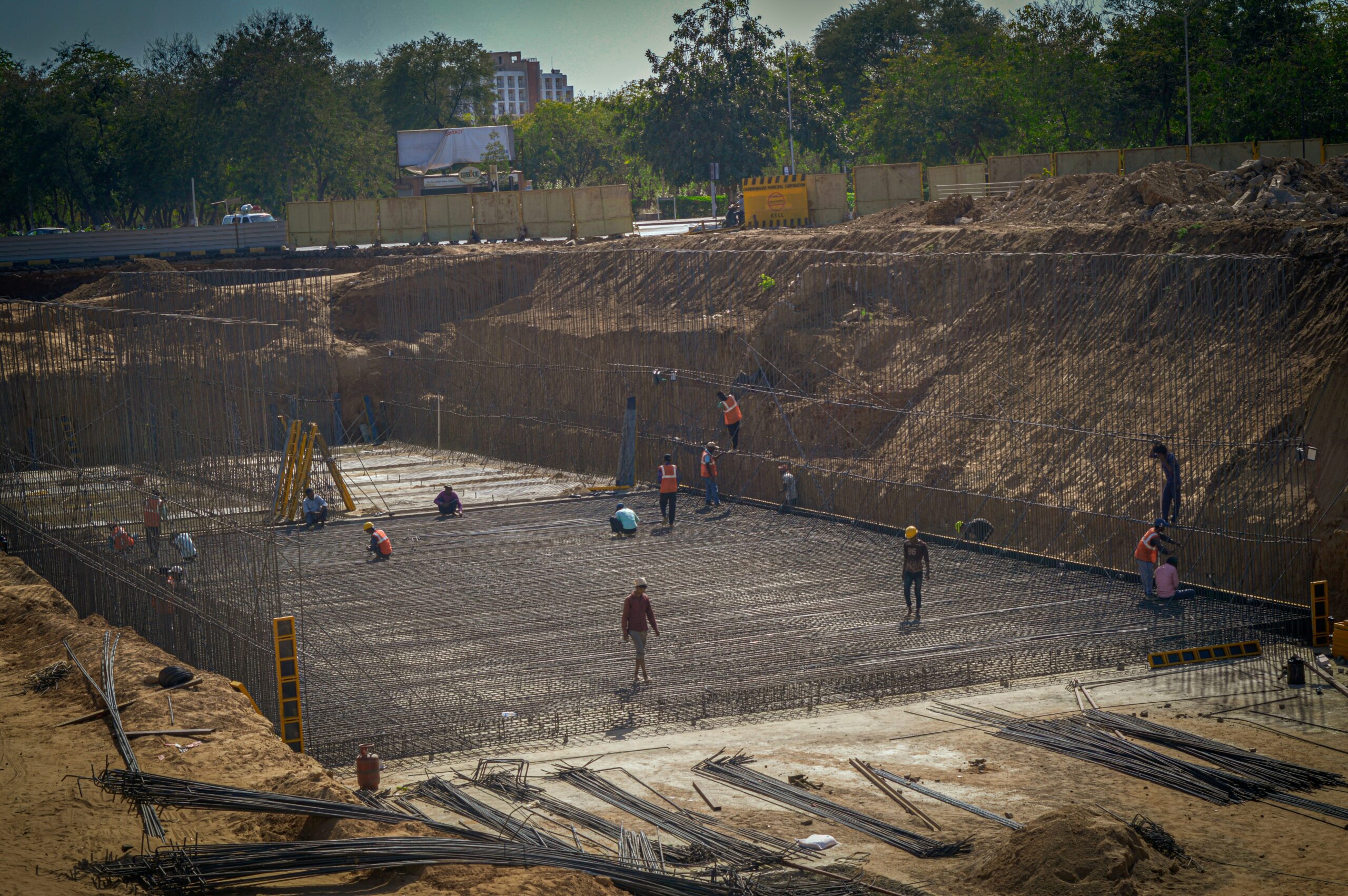
How to Manage Unexpected Challenges in Road Construction
By BLAIR DOUGLAS
In road construction, the blueprint is just the beginning. The real story unfolds when you step onto the ground.
We’ve seen projects that looked perfect on paper fall behind because of an unexpected rain spell, sudden procurement issues, or a design misalignment. That’s the reality of infrastructure development. It moves in real time. And it rarely sticks to script.
But success doesn’t come from avoiding disruptions. It comes from how quickly and clearly you respond when they do.
Here’s how we can manage unexpected challenges in the field—lessons built from site-level decisions, not just boardroom strategies.
- Prepare for the Unknown
You can’t predict everything. But you can plan for flexibility.
→ Buffer your timelines. Always factor in extra days for monsoons, material delays, or team shifts. → Build redundancy into your supply chain. Don’t rely on a single vendor or route. → Create scenario playbooks. This includes action plans for equipment failure, unexpected soil conditions, or even local protests.
Contingency isn’t pessimism. It’s professionalism.
- Keep Communication Tight
When something breaks down, communication should never be one of those things.
→ Daily updates on ground conditions → Weekly cross-functional reviews between engineering, logistics, and procurement teams → On-site coordination with real-time data (even something as simple as group GPS tracking or WhatsApp updates has saved hours)
Clear communication keeps small hiccups from becoming long delays.
- Have Strong Vendor and Local Relationships
This isn’t talked about enough, but in construction, relationships are your safety net.
Local authorities can help smooth permissions and clear last-minute bottlenecks. Vendors you trust are more likely to accommodate urgent requests or adjust shipments. Labour contractors with good rapport will help mobilize teams faster, especially in crunch periods.
When a crisis hits, people matter more than process.
- Use Data to Make Faster Decisions
When you’re under pressure, guesswork isn’t your friend.
→ Material tracking helps identify where your supply chain might be breaking → Real-time equipment data lets you avoid downtime → Progress dashboards (even simple ones) can help re-prioritize work intelligently
Even a 20% improvement in visibility leads to 50% better outcomes under pressure.
- Adapt the Design Without Losing the Vision
Sometimes, what was designed in the office doesn’t work on the ground.
→ A drainage path may not flow as planned → A retaining wall may need extra reinforcement → A road alignment might run into unforeseen land issues
The key is to adapt quickly without compromising safety or long-term integrity. Engineers who can rework while preserving the core goals are invaluable in these situations.
- Train Teams to Be Proactive, Not Reactive
Challenges don’t always wait for leadership to notice.
→ Train site teams to report potential problems early → Empower supervisors to make small decisions independently → Create a “lessons learned” system across projects to reduce repeat errors
When your team is trained to think ahead, half the battle is already won.
- Don’t Let Pressure Cut Corners
This is the hardest one.
When a project is running late, the pressure to “just get it done” is real. But this is where long-term reputation is built or lost.
→ No skipping safety protocols → No ignoring compaction checks → No covering up drainage or slope issues to save a day
Your response under pressure defines your credibility.
Closing Thoughts
In road construction, things will go wrong. Sometimes in small ways. Sometimes in big ways.
But the best-run projects are the ones that bend without breaking because they’re led by people who stay steady when things get unpredictable.
Let’s keep building better and smarter.
Blair Douglas is president of Tierra Contracting.

View Our Latest Print Edition

Fresh Content
Direct to Your Inbox