
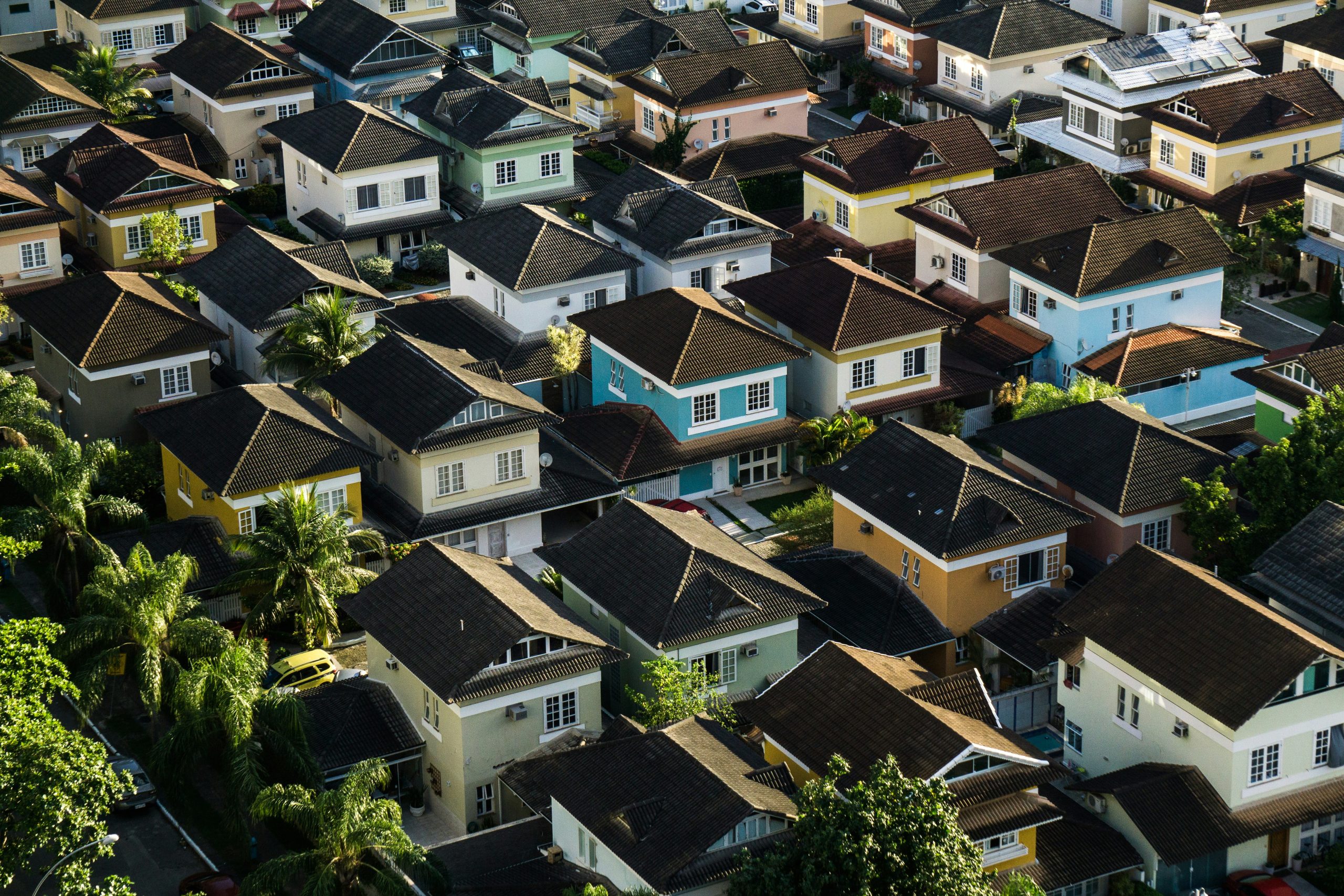
Florida’s Rental Crisis Deepens: Study Shows Rising Costs, Shrinking Supply, Climate Pressures Threaten Affordability
By SAFIYAH JUNAID
The numbers are in – and they’re not pretty. The Florida Housing Finance Corp.’s 2025 Statewide Rental Market Study paints a grim picture for renters across the state: affordability is slipping further out of reach.
Nearly 60 percent of Florida households earn less than their region’s median income, and many are spending more than 40 percent of what they make on rent. Developers, legislators and environmental consultants are working together to tackle the housing crisis.
Home Ownership is Becoming a Pipedream
Nowhere is the problem more visible than in Miami, as the second-least affordable rental market in the nation. According to new analysis from the University of Florida’s Shimberg Center for Housing Studies, Miami-Dade County faces a shortfall of more than 90,000 affordable units – a number expected to swell to 116,000 by 2030.
From lumber to labor, nearly every input that goes into building a home has become more expensive. Developers are grappling with inflation, supply chain hiccups and tariffs, while immigration policy changes have disrupted the flow of skilled workers. Add higher borrowing costs and stricter lending standards, and many builders are pressing pause on projects. Fortunately, many environmental consultants are working with developers and regulators to facilitate untraditional housing opportunities.
Developable Land is Scarce and Complicated
Due to the shortage of vacant land, developers are exploring alternative sites, including former agricultural land, landfills, golf courses, aging strip malls, underutilized industrial parks and vacant commercial lots. In some cases, developers may opt for brownfields – abandoned, idled or underused industrial and commercial properties with real or perceived environmental contamination – thereby complicating redevelopment. The historical use of available land may raise a range of environmental concerns, creating challenges for future development.
For example, agricultural properties and golf courses in South Florida often use pesticides, herbicides and/or fertilizers, resulting in impacted soil (e.g., arsenic) and groundwater (e.g., nitrate or arsenic) at concentrations above allowable levels. Remediation is often required to redevelop the land for residential use.
In addition to the environmental concerns, climate change and sea level rise are critical factors impacting development and housing costs. One foot of sea-level rise could cause $4 billion in property damage in Southeast Florida. The increase in severe storms, heavy rainfall, hurricanes and rising sea levels in the state contributes to excessive flooding and higher flood insurance premiums, further impacting rent prices. Based on recently updated Federal Emergency Management Agency flood hazard maps, 252,015 structures in Miami-Dade County are now in a special hazard area, and 89,000 parcels in Broward County that were previously in low-risk areas are now in flood zones. Rising sea levels and FEMA map revisions influence regulatory requirements, such as design floor or site grade elevation increases for new development, further impacting costs.
A Ray of Hope
Amid the challenges, there’s at least one bright spot. Florida’s Live Local Act (SB 102), passed in 2024, aims to spur affordable housing by cutting through redevelopment “red tape.” The law gives developers financial incentives and loosens zoning restrictions for qualifying projects, allowing residential construction in commercially zoned areas and easing height, density and parking limits.
Additionally, Florida’s Brownfields Redevelopment Act aims to reduce health and environmental hazards and create financial and regulatory incentives to encourage voluntary cleanup and redevelopment. The Voluntary Cleanup Target Credit was established to encourage voluntary cleanup of designated brownfield areas, in which the Florida Department of Environmental Protection awards annual tax credit certificates valued at approximately $35 million toward the Florida Corporate Income Tax. The tax credits may be utilized to cover costs associated with site rehabilitation and solid waste removal.
While it won’t fix everything overnight, the Live Local Act represents a policy shift toward creativity and flexibility, while the Voluntary Cleanup Target Credit incentivizes redevelopment of underutilized land.
Florida’s housing crunch isn’t just an economic problem; it’s an environmental, regulatory and community challenge rolled into one. The rising cost of materials, land scarcity and climate change are colliding in ways that make affordable housing harder than ever to build. If the state hopes to keep pace with growth, it will need collaboration across government, industry and community leaders to balance sustainability with accessibility.
Because if we don’t get housing right, jobs, infrastructure and resilience begin to crumble, too. For more information on the Live Local Act, you can find it here.
Safiyah Junaid is a project manager at SCS Engineers.

View Our Latest Print Edition

Fresh Content
Direct to Your Inbox