
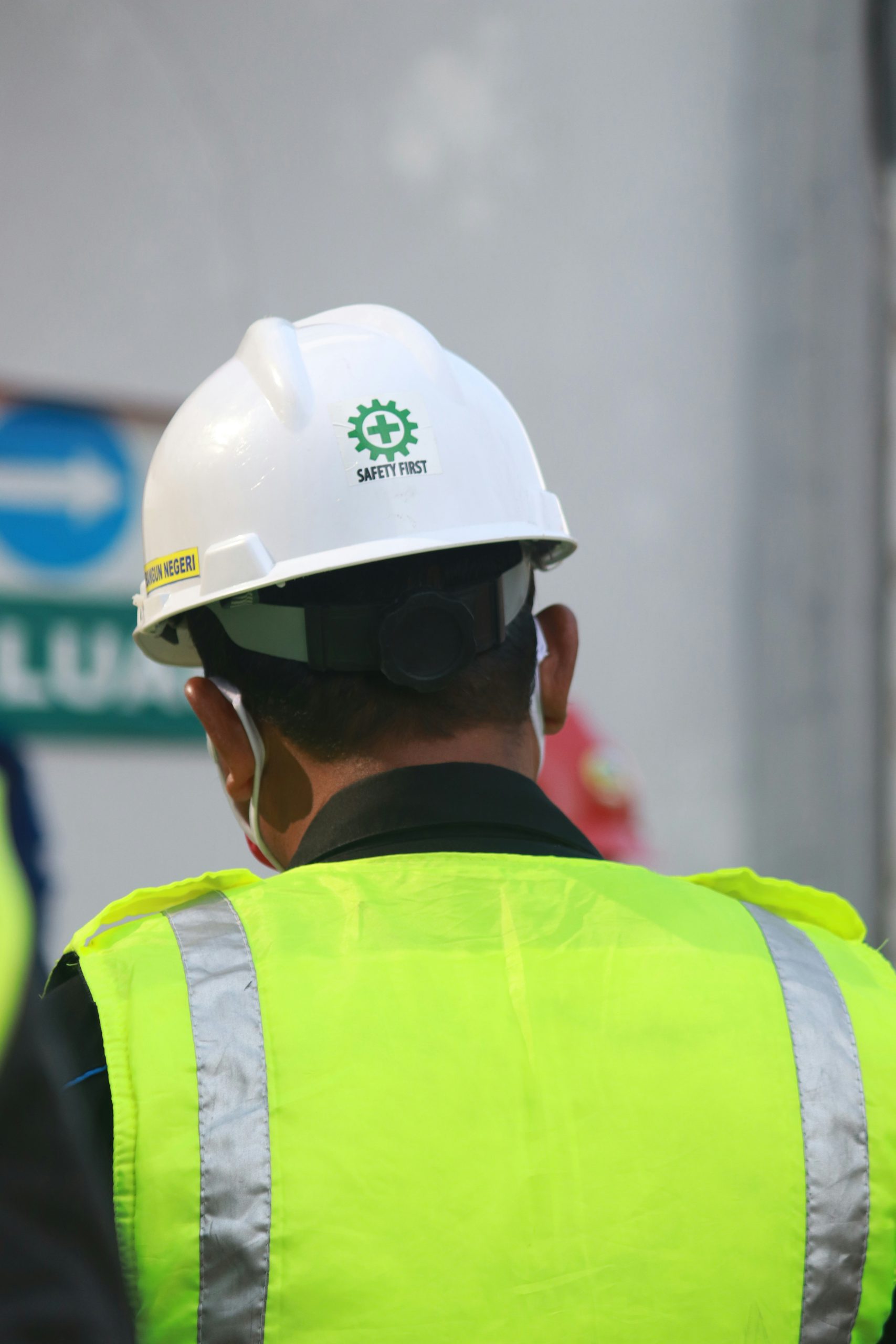
Construction Safety & Health: A Culture of Caring for the Whole Person
By KERRY SMITH BUCK
President & CEO, CNR Magazine
As our team conducted story interviews, produced BUILD America podcast episodes and invited well-renowned professionals to contribute guest pieces for our very first print edition of 2026 and two months of original digital content that’s laser focused on safety, an underlying theme quickly emerged: safety culture.
The Occupational Safety and Health Administration (OSHA) defines a culture of safety as an organizational environment where safety is a shared value, deeply embedded in attitudes, behaviors and practices that ensure health and safety are top priorities – not just rules. A safety culture, OSHA adds, involves open communication, leadership commitment, employee involvement and learning from mistakes to create a proactive, positive system that benefits everyone, reducing harm and improving outcomes for workers.
As our CNR team dialogued the past two months in preparation for this edition and our two-month-long, Q1 2026 print and digital focus on physical safety and mental well-being, the common thread of culture – of companywide buy-in – echoed soundly through these conversations.
What we expected to learn in our information gathering was about the creative, effective initiatives that are in play to keep construction teams – at the jobsite and in the office – physically and mentally fit. What we didn’t anticipate learning behind the conversations were the heartbreaking stories of workers who died by suicide in the past two years, and how their deaths impacted co-workers and family members. Tragically, these up close-and-personal examples lent credence to the scary statistics about how many construction industry suicides occur annually in the U.S. The suicide rate in construction remains four times higher than in nearly any other occupation.
Association safety directors we spoke with consistently told us that their goal is to speak to as many workers as they can before such a tragedy ensues, rather than being called to speak at a jobsite that just experienced a death by suicide.
The physical safety side is just as crucial in building a successful safety culture, our sources tell CNR. Learning from near misses, empowering all workers to “say something if you see something” and making sure leadership is walking the walk are all building blocks in formulating a safety culture that manifests as a core value – not just a policy.
Once it begins with leadership, there has to be a clear, functional, horizontal path throughout the company, supported by training, engagement, recognition and reward. And above all, construction safety professionals tell us, leadership needs to listen, learn and respond, all the while maintaining a confidential environment to protect the individual who shares concerns and the individual to whom a supervisor responds to help.
As you prepare to digest the pages and words over the next 60 days that we’ll share from true industry experts, may you find relevance, education and inspiration to support your colleagues. Each of us plays a critical role in contributing to a resilient, productive and healthy workplace.

View Our Latest Print Edition
Fresh Content
Direct to Your Inbox