Construction Injury Rehab Supplier Faces an Uncertain Future
By KAREN LANTER
There is no industry that is quite as hard on the human body as construction.
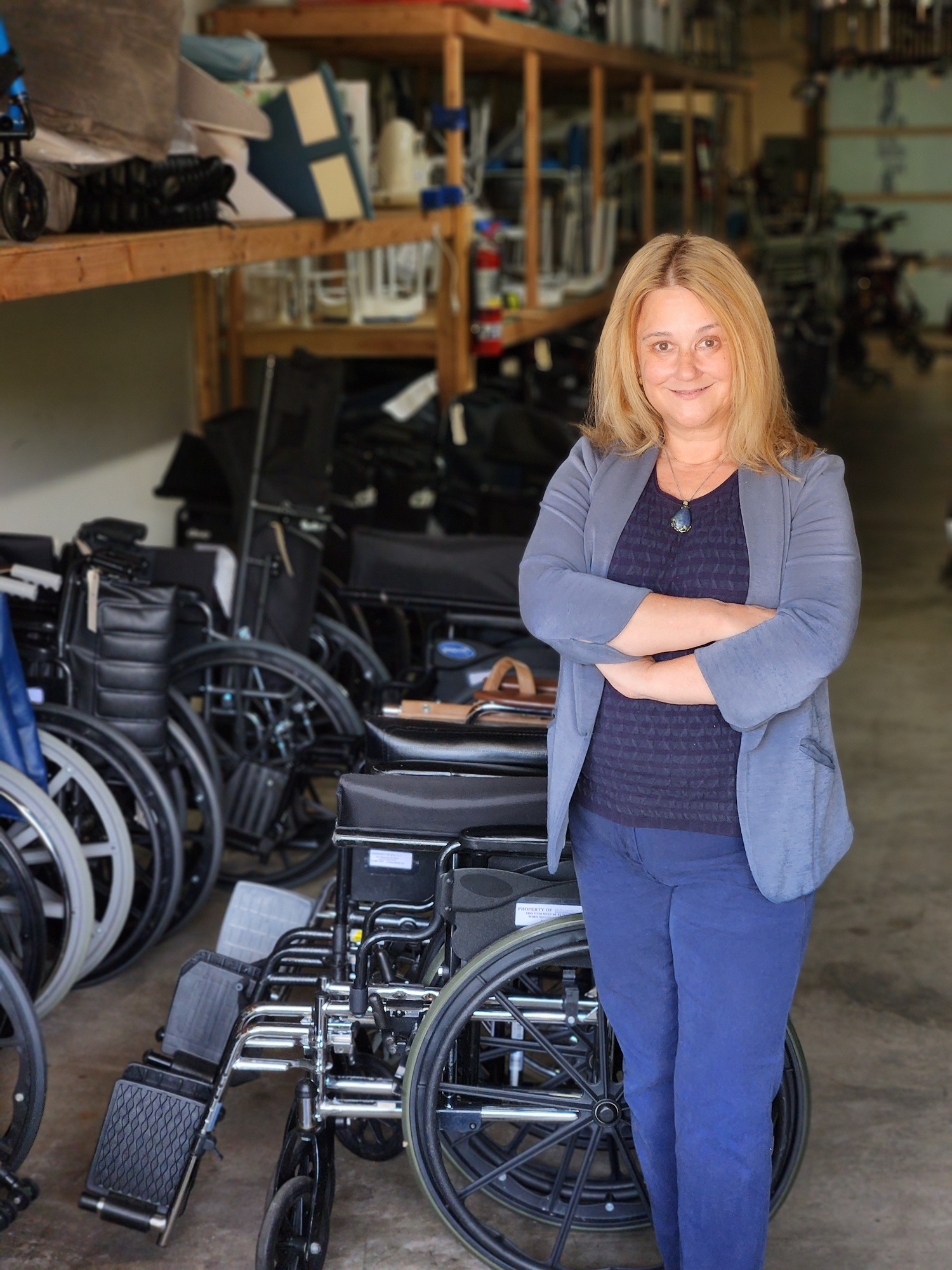
And while everyone faces the discomfort of aging in their senior years, a multitude of construction aches and pains – knees, back, shoulders – catch up, accelerating the toll on the body. So, it is no surprise that the construction industry produces heavy reliance on the St. Louis Health Equipment Lending Program (HELP) to help its workforce deal with the rigor that the body must endure. Unfortunately, St. Louis HELP, the area’s largest provider of free home health equipment, such as – wheelchairs, walkers, canes and more, is threatened by a proposed Missouri law that would eliminate its primary funder – solid waste management districts.
Missouri House Bill 2761 would dissolve local solid waste management districts to bring them under control of the state. That includes the St. Louis-Jefferson Solid Waste Management District (SWMD), a long-time supporter of the St. Louis HELP which diverts durable medical equipment from landfills through restoration for reuse by those in need for free. St. Louis-Jefferson SWMD provided seed money to launch St. Louis HELP 18 years ago and has remained its primary funder. Over the past three years, the district has provided grant support averaging more than $120,000 each year.
Without local solid waste funding, St. Louis HELP could cease to exist. Those funds helped us divert 198 tons from landfills in 2025 alone and turn donated equipment into life-changing help for seniors, children with special needs and families. House Bill 2761 doesn’t guarantee reuse programs stay funded. Replacing local control with state bureaucracy without explicitly protecting reuse funding at meaningful levels puts successful programs like STLHELP at risk.
In addition to eliminating local solid waste management districts, HB 2761:
- Reallocates funds first to abandoned site cleanup ($5 million a year);
- Funds enforcement and administration before grants; and
- Leaves remaining grant categories and amounts to Missouri Department of Natural Resources discretion and future appropriations.
The bill offers no statutory guarantees that reuse programs remain eligible, medical equipment reuse is prioritized, current funding levels are maintained, or large operational grants continue.
The St. Louis-Jefferson SWMD is our legacy funder, responsible for providing seed money that launched St. Louis HELP in 2008. So, we’re very concerned about losing a trusted and reliable partner and our ability to provide free home medical equipment regardless of insurance, age, income or disability. In 2025, St. Louis HELP served more than 2,700 families, including 1,571 seniors and 171 children with disabilities. It loaned 8,058 pieces of medical equipment — a 69 percent increase over 2024. The 198 tons of equipment diverted from landfills in 2025 was an increase of 15 percent over the previous year.
In 2024, St. Louis HELP expanded operations with a series of “HELP Hubs” in St. Louis, St. Charles and Jefferson counties to provide more convenient access to services. Last year, we announced a partnership with the St. Louis Archdiocese Rural Parish Clinic to broaden services to Washington, St. Francois, Jefferson, St. Genevieve, Franklin, Warren and Lincoln counties.
The array of equipment that St. Louis HELP loans out for free includes;
|
|
|
|
|
|
|
|
|
We need the construction industry’s help in ensuring our viability and our ability to serve its workforce when needed – all of which is threatened by Missouri House Bill 2761. Learn more at www.stlhelp.org.
Karen Lanter is executive director of the St. Louis Health Equipment Lending Program.

View Our Latest Print Edition
Fresh Content
Direct to Your Inbox