
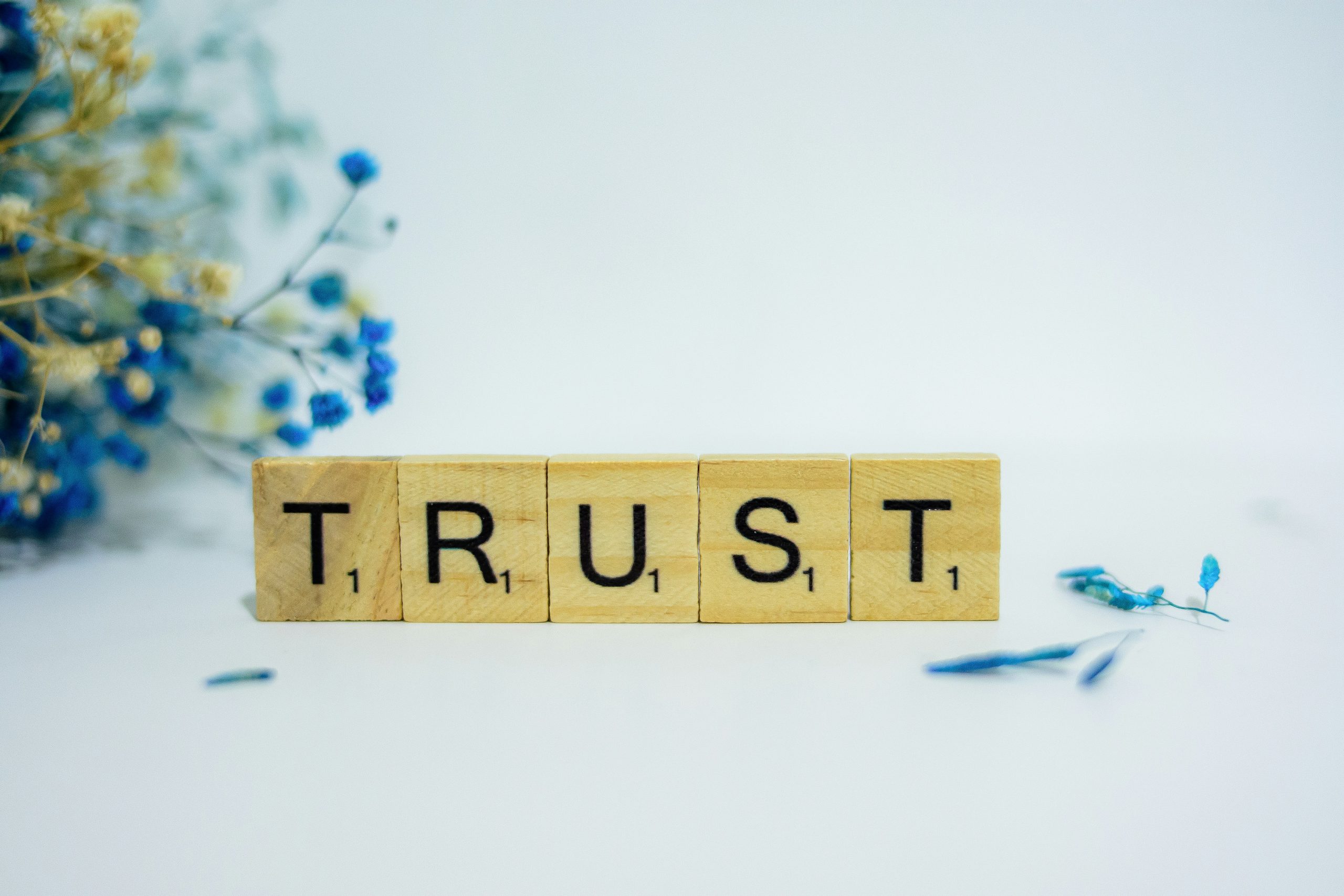
Building Trust Builds Bridges: The Gateway to Mental Well-Being
By CHARLIE CARTWRIGHT, D.C.
In the construction world, we talk a lot about structural integrity – how foundations must support the weight above it and how the smallest unseen weakness can threaten the entire build.
Mental health works the same way. The structures we see on the surface – the hard work, the commitment to protocols, the pride in craftsmanship – are all resting on something deeper. When that deeper foundation is cracked, people are at risk long before the danger becomes visible.
I want to talk about trust, and specifically how trust becomes the gateway to mental well-being and safer outcomes in our industry.
One of the analogies that always comes to mind is vehicle maintenance. I’m not a certified mechanic, but I know enough to keep my car on the road. I know it needs proper tire pressure. I know the oil has to be changed. I know that ignoring small warning lights eventually leads to big problems. None of that matters unless I’m willing to lift the hood. And to lift the hood, I have to trust that what I find won’t be worse than pretending everything is fine.
Mental health works exactly the same way. People can only address what they’re willing to acknowledge, and they can only acknowledge what they feel safe enough to speak about. In our workplaces – especially in construction, where toughness has always been a badge of honor – trust is the lift that raises the hood. Without it, we’re asking people to operate machinery, climb steel and navigate high-risk environments with emotional engines running dangerously low. We almost never see it until it’s too late.
People are struggling, and not always in obvious ways. You don’t have to be clinically ill to be mentally taxed. Sometimes it’s stress at home. Sometimes it’s the accumulation of long weeks on the road. Sometimes it’s childhood trauma that trained a person long ago to never appear vulnerable. For some, keeping others at a distance is not defiance but rather self-preservation. When that defense system is activated, even the best safety message can bounce right off.
Think about that. We may look at a worker who jokes through a safety talk, or someone who always seems disengaged or someone who gets combative when corrected, and we label it attitude. But often that’s not attitude; it’s that individual’s armor. That’s a person who has learned, through painful experiences, that letting someone in is more dangerous than staying distant.
And yet here we come, asking them to trust us with their physical safety, their well-being, their life. If their instinct is to protect themselves emotionally, they may resist the very message designed to keep them alive.
That’s why trust is not optional in construction safety. Trust is the foundation.
So how do we build it?
First, by showing genuine interest. When people know we see them as human beings, not just labor on a jobsite, the walls begin to lower.
Second, by listening. Not listening to respond but listening to understand. A person who feels heard begins to believe he or she matters.
Third, by being consistent. Consistency is credibility and credibility becomes trust. Trust, in turn, becomes a safe place for people to speak about what’s weighing them down before it leads to distraction, poor judgment or tragedy.
Here’s something else that’s critical: Trust doesn’t just help us reach people emotionally. Trust helps us reach them physically. When someone is struggling internally, that struggle shows up externally. Sleep suffers, reaction time drops, focus starts to drift. The smallest misstep – a missed tie-off, a rushed shortcut, a split-second lapse – can become life-altering. Building trust doesn’t just change morale. It changes outcomes.
You don’t need to be a therapist to help; you just need to understand the fundamentals of taking care of the human engine. Proper rest. Proper nutrition. Healthy conversations. Healthy influences. Clarity about what we’re consuming – physically, emotionally and mentally – because all of it shapes our mindset and our alertness on the job.
Trust also gives us the opportunity to intervene in the darkest moments. In our country, OSHA tells us we lose around 13 workers a day to workplace fatalities. When you look at suicide, that number is 10 times higher. 10 times. And most people struggling with thoughts like that never tell a soul. Not because they don’t want help, but because they don’t trust anyone enough to share their burden. When trust is present, people open up. When trust is absent, they suffer in silence… and silence is dangerous.
As safety leaders, we don’t get to choose easy work. We chose important work, and part of that work is understanding the human element behind every protocol, checklist and every piece of PPE. When we build trust intentionally – when we choose patience over frustration, interest over judgment and connection over convenience – we create the kind of environment where mental health can breathe. Where people can speak truthfully. Where safety becomes more than compliance; it becomes the culture.
The encouraging part: when one person feels safe enough to open up, it creates a ripple. It influences teams, shapes environments and it saves lives.
The late Charlie Cartwright, D.C., who passed away in November 2025, co-founded Company Culture Doctors and Operation Civilian Support. He was a beloved, highly respected leader in workplace well-being, psychological safety and human-centered leadership.

View Our Latest Print Edition
Fresh Content
Direct to Your Inbox