
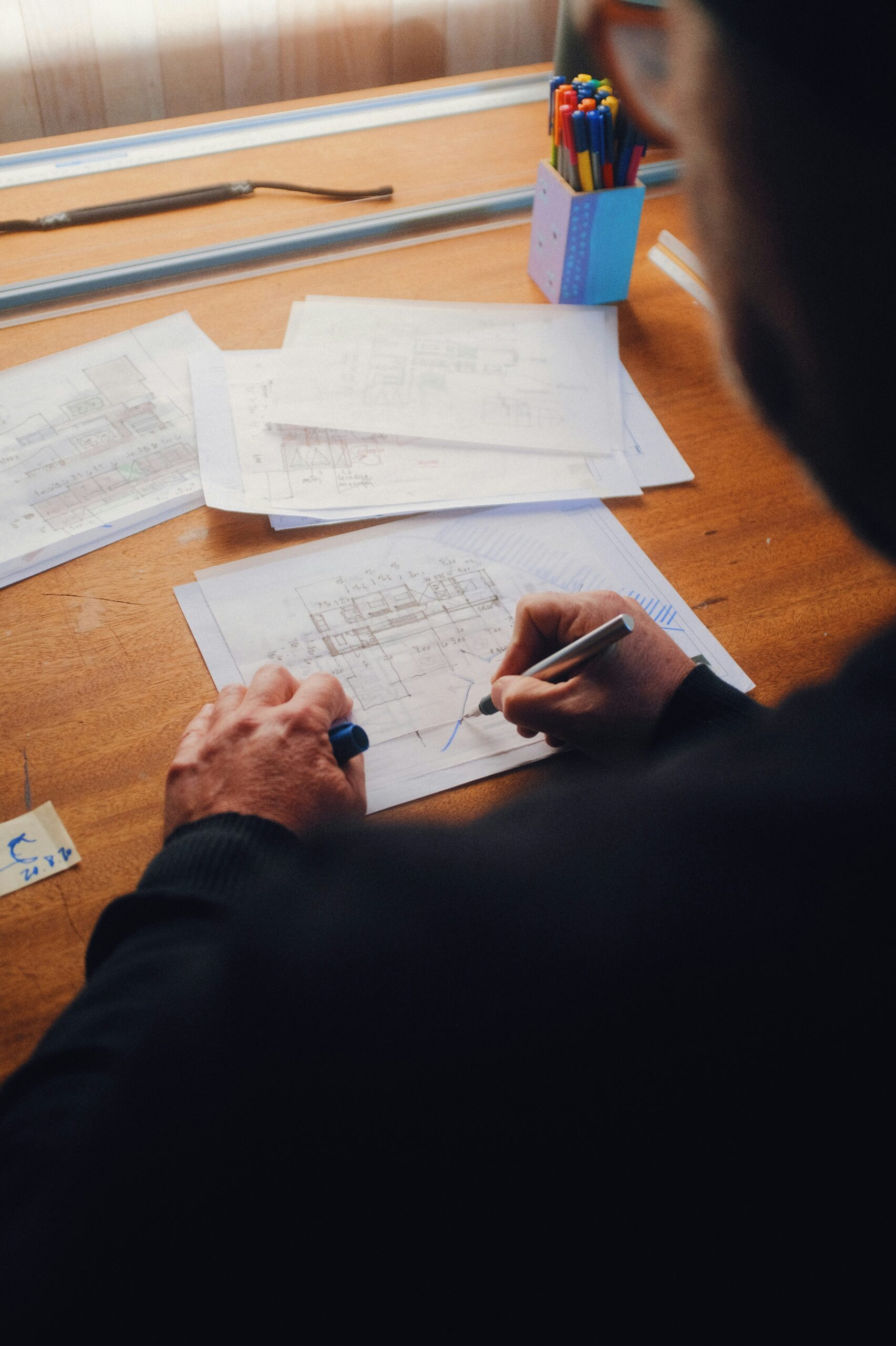
Are Architects Designing for Construction or Just for Concepts? The Shift from Aesthetic Vision to Build-Ready Intelligence
By SWAYAM SARAOGI
Introduction
There is a quiet revolution happening in the world of architecture.
Gone are the days when architectural plans were just eye candy with dreamy curves and mind-bending geometry.
Today the industry is asking a serious question: Are architects designing for construction or just for concepts? Because let us be honest – a jaw-dropping design means little if it cannot be built efficiently.
Let’s dig deep into that question, exploring how the role of the architect is evolving from the master of visual flair to a key player in build-ready intelligence. And yes, we are going to shake some traditional beliefs along the way.
The Concept vs. Construction Debate
The Traditional Role of Architects
Architects have long been considered the visionaries of the built environment. They shaped skylines, carved cultural narratives in concrete and sketched masterpieces that sometimes seemed to float above reality.
Historically architects passed their blueprints on to contractors who were expected to figure out how to make it work. And if they could not? Cue the redesigns, cost overruns and project delays.
Why Conceptual Design Dominated
Back then, the architect’s goal was to push artistic boundaries.
Practicality? That was someone else’s problem. It was not out of negligence. It was the nature of how the architecture-construction ecosystem was set up. Silos were the norm, and “design intent” often had a huge gap from “site reality.”
What Changed in the AEC Industry?
The Rise of Integrated Project Delivery
The architecture, engineering and construction industry faced a wake-up call. Projects were getting bigger, timelines tighter and budgets more constrained. Enter Integrated Project Delivery (IPD), a model that brought architects, engineers, contractors and even clients to the same table from day one.
Collaboration became the backbone. Suddenly, architects could not afford to dream in isolation.
The Digital Transformation in Architecture
And then came the tech boom. Building Information Modeling, digital twins, parametric modeling and simulation tools changed the game. The architectural sketch evolved into a smart model embedded with layers of information – dimensions, materials, costs, schedules.
Designs weren’t just pretty pictures anymore. They became instructions for how to build smarter.
The Digital Transformation in Architecture
Challenges of Concept-Only Designs
Design Disconnect on Site
Ever seen contractors scratching their head over a plan that makes no sense onsite? That is the fallout of concept-only design. When drawings ignore construction logic, execution becomes guesswork.
Challenges of Concept-Only Designs
Rework, Delays and Budget Overruns
Bad coordination often leads to massive rework. That beautiful cantilever? Turns out it needs more support. Those twisted columns? They cost triple to fabricate. These design misfires not only inflate budgets but erode trust between teams.
The Case for Build-Ready Design Intelligence
What Is Build-Ready Intelligence?
Build-ready design intelligence means creating architecture that is not just visually compelling but ready to be constructed as-is, with no translation, no confusion. It is a blend of form, function and feasibility.
Bridging the Gap Between Design and Execution
This approach treats design and construction as a single fluid process, not a baton-passing relay.
Real-Time Collaboration with BIM
With BIM, architects can see how their design affects HVAC routes, structural integrity or plumbing in real-time. Conflicts are caught early, not onsite.
Data-Driven Decision Making
Material usage, sunlight simulation, energy loads. Every detail is now quantifiable. Architects can make informed choices, balancing design flair with environmental and structural logic.
The architectural process is evolving from fragmented, reactive workflows to a more integrated and intelligent approach, one grounded in build-ready design. Traditionally, critical decisions around structure, systems and site logistics were deferred, with architects working in isolation and often relying on the notion that issues could be resolved later. This method frequently resulted in inefficiencies, design-construction misalignment and costly delays.
Today the industry is embracing a more collaborative model. With the integration of BIM, project teams can now coordinate in real-time, addressing key elements such as beam spans, MEP integration, prefabrication limits, site logistics and carbon metrics early in the design phase. This shift ensures that every design decision is informed, constructible and aligned with project goals.
Build-ready design intelligence bridges the gap between concept and execution. It enables a seamless flow from idea to construction, where aesthetics, performance and feasibility are developed in tandem – ultimately reducing risk, improving efficiency and delivering better outcomes across the project lifecycle.
The Role of Technology in Design Precision
BIM is not just a drawing tool. It’s a living model. Add in 5D (cost and time), and suddenly every design decision shows ripple effects on schedule and budget. Want to move a wall? You will see the extra cost before anyone lays a brick.
Digital Twins and Simulation Tools
Imagine having a virtual replica of your building that updates in real time. That is a digital twin. Architects use it to simulate everything: thermal performance, structural loads and even user behavior.
The Future: Architect as a Strategic Partner
Not Just Designers, But Project Enablers
Tomorrow’s architects are not just artists. They are collaborators, analysts, tech users and strategic thinkers. Their role stretches beyond the drawing board to the jobsite, boardroom and even facility management.
Architects are not just dreaming. They are doing.
Architects who embrace the shift to construction-ready intelligence are no longer just creators of beautiful spaces. They are becoming indispensable enablers of success.
The real artistry now? Designing buildings that not only wow but work.
Swayam Saraogi is the founder of Beyond Design Studio.

View Our Latest Print Edition
Fresh Content
Direct to Your Inbox