
By JOE NICKELS
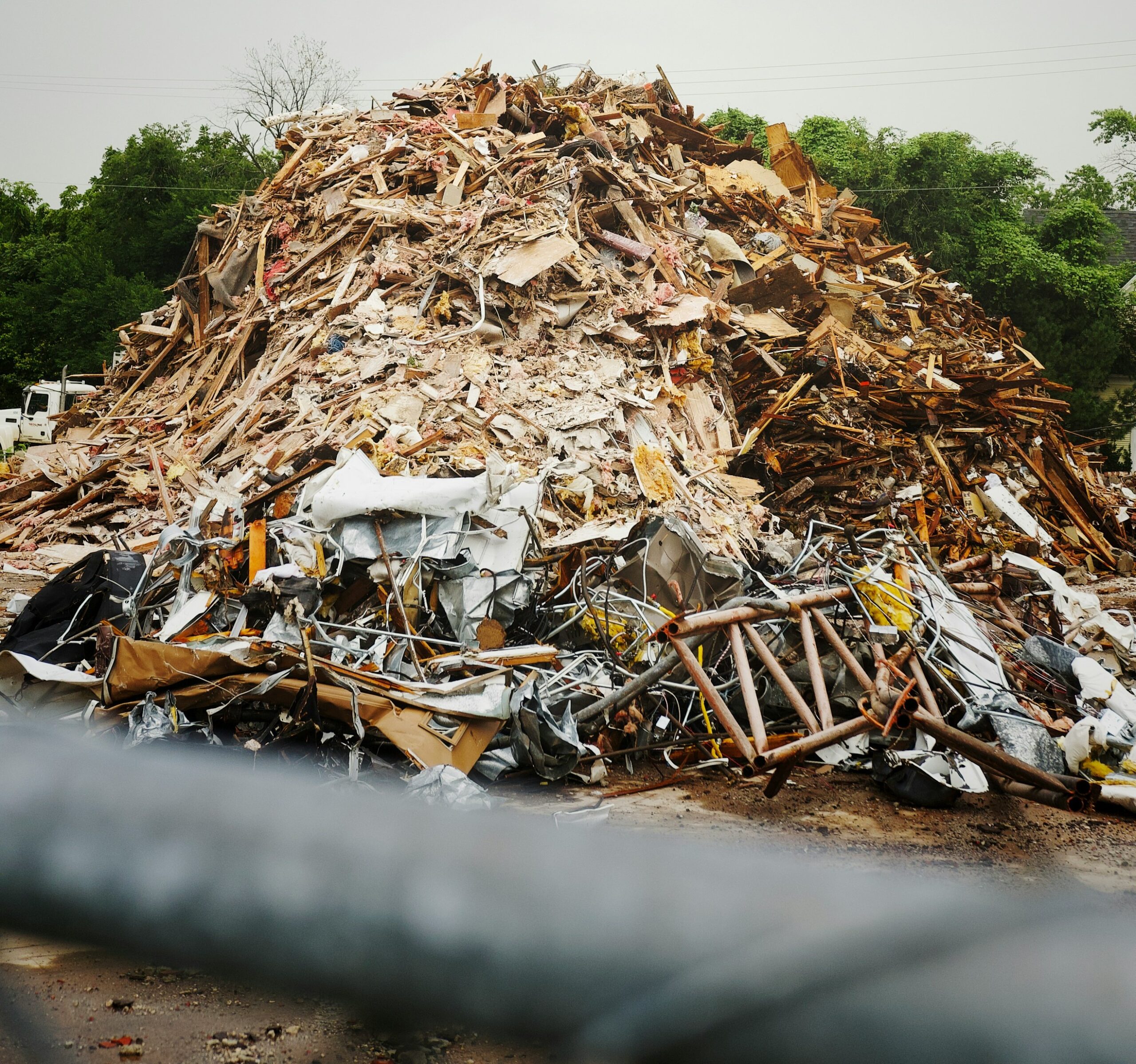
When any structure is built, renovated or torn down, the result is a lot of construction and demolition (C&D) debris – 600 million tons, to be exact. How can we reduce construction waste? Prevent reusable materials from ending up in the landfill with these disposal methods.
- Plan Ahead to Waste Less on Your Worksite
As a project manager, you’re tasked with building a plan before diving into the job. When the project is organized properly, fewer mistakes are made, which results in less waste on your construction site.
- Measure materials exactly: Only order what you need.
- Conduct regular inventory checks: Don’t buy new items when you already have some in stock.
- Prepare for construction site waste: Have reuse and recycle bins onsite.
- Know what can be reused and recycled: Identify reusable materials ahead of time and train workers to sort as they go.
- Opt for Deconstruction Before Demolition
A “soft” tear down, as opposed to a full demolition, will give you and your team the opportunity to salvage materials for reuse, thereby reducing waste in construction. Materials like windows, plumbing fixtures, ceiling and floor tiles and large pieces of lumber can be sold to salvage organizations. If you donate items, you can use it as a tax write-off.
Deconstruction is also better for the environment. It reduces the amount of toxic dust released into the air and heavy metal that seeps into the soil during demolition. Because more items are saved during a building or home deconstruction, you send significantly less material to the landfill. Plus, starting with deconstruction will go a long way toward helping you achieve your waste diversion goals.
- Reuse or Donate Materials in Good Condition
Before tossing all of your debris in a construction dumpster to be sent to a landfill, try giving these materials new life by reusing or donating them.
Reuse What You Can
- Store materials in good condition and use them in another area of the job or in another project.
- Consult your reuse pile before making more waste. Don’t cut a 16-foot piece of lumber to get a short piece when there are perfectly good short pieces waiting to be used.
- Scrapped wood can be chipped and used as mulch as long as it’s not stained or painted.
Donate to Local Organizations
- Doors, hardware, appliances and fixtures can be donated to places like Habitat for Humanity ReStores.
- Look to see if there are any charity projects where your extra materials can be donated.
- Recycle What Cannot Be Reused
Implement a strategy to reduce construction waste.
Having a recycle bin for discarded materials will help you reduce the number of items you toss in your dumpster and reduce the waste your team creates. Items being replaced on a project, like sinks, baths and countertops, can be placed in the recycle bin. The following items can also be recycled:
- Brick
- Metal
- Paper
- Gravel
- Plastics
- Asphalt
- Roofing
- Drywall
- Concrete
- Carpeting
- Cardboard
- Window glass
- Untreated wood
Navigating this process can be time-consuming and potentially confusing. However, the benefits to your bottom line are undeniable. Put yourself in a win-win situation by working with a hauling company that has the education to navigate the recycling field.
- Rent a Dumpster for the Rest
As hard as you may try to reduce waste on your construction site, you can’t completely avoid it. For all the things you can’t reuse, donate or recycle, a roll-off dumpster is the most efficient disposal option, saving you valuable time and labor.
Top of Form
Bottom of Form
Why Bother Reducing Construction Waste?
The bottom line: the less you have to throw away, the less money you have to spend getting rid of your construction waste. Not to mention, when you donate leftover materials, your company can claim tax benefits on them. When you create a plan to reduce waste on your construction site, the environment,
your community and you win.
Joe Nickels is an enterprise sales manager at Dumpsters.com.

View Our Latest Print Edition

Fresh Content
Direct to Your Inbox