
The Rising Cost of Construction Crime — and Why Detection is No Longer Enough
By TIM GARRETT
Construction leaders have always been responsible for managing risk.
From worker safety and regulatory compliance to budgets and timelines, project success depends on anticipating problems before they become costly disruptions.
Growing Crime
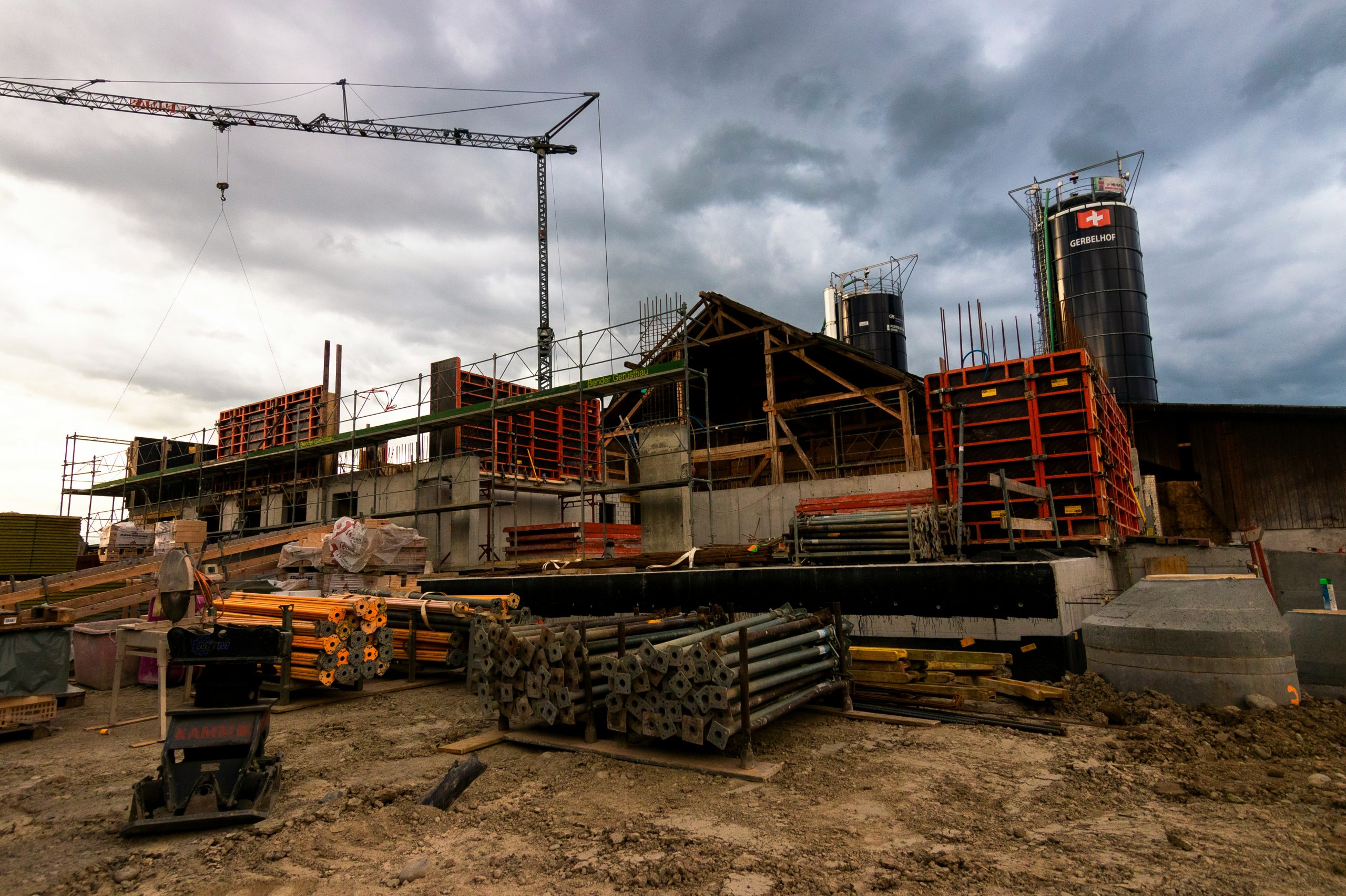
Today, one of the fastest-growing risks facing the industry is construction site crime. The scale of the challenge is enormous: equipment theft alone costs U.S. businesses an estimated $300 million to $1 billion annually, with only around 21 percent of stolen assets ever recovered. High-value equipment is nine times more likely to be stolen than vandalized, while organized criminal groups increasingly target copper cabling, machinery, fuel and building materials.
The consequences extend far beyond the value of the stolen asset, significant though that is. Research suggests that 42 percent of construction projects affected by crime experience critical delays. A stolen generator, stripped copper cable or missing piece of specialist equipment can halt work, disrupt subcontractor schedules and create expensive knock-on effects throughout a project.
Police Response
At the same time, construction firms are confronting a difficult reality: they cannot assume law enforcement will always be able to respond quickly to every incident. After all, police departments across many jurisdictions continue to face resource constraints and are under increasing pressure. As a result, many police departments are deprioritizing non-emergency incidents such as trespassing, suspicious activity or property crime to free up time and resources to focus on violent offenses and public safety emergencies.
This is not a criticism of law enforcement. Police resources are finite, and officers must focus where the risks to life and public safety are greatest. However, it does mean that construction companies increasingly need to take greater ownership of how security incidents are prevented, managed and resolved.
For many organizations, this exposes a gap in existing security strategies. Traditionally, the industry’s response to rising crime has been to invest in more detection technology. Cameras have become more sophisticated. Sensors have become more intelligent. Alarm systems have become more connected.
Standardized Response
While important investments, this can only take organizations so far. An alarm can identify a problem, but it cannot stop it. A camera may capture evidence, but it cannot intervene when intruders enter a site. Ultimately, the effectiveness of any security system depends on what happens in the minutes immediately following an incident. When a security incident occurs, how long does it take for responders to get onsite?
That response capability is becoming increasingly important as construction operations become larger and more geographically dispersed. Major contractors and developers routinely manage projects across multiple cities, states, and regions. Yet security responses often remain fragmented. Different sites may rely on different guarding companies, monitoring centers, patrol providers, or escalation procedures.
As a result, many construction leaders have surprisingly little insight into how security incidents are actually handled across their portfolio. The challenge is no longer simply detecting incidents but ensuring incidents are managed quickly, consistently and effectively.
This is where technology is beginning to play a more strategic role. Rather than focusing solely on detection, modern security platforms are helping organizations coordinate and manage response. By integrating alarms, cameras, monitoring centers, security personnel and incident reporting into a single operational environment, these systems create a clearer picture of what is happening across multiple sites in real time.
Response Networks
More importantly, they help organizations act faster when a security incident occurs. Increasingly, security platforms are being used to connect organizations with networks of vetted response professionals, allowing the nearest qualified responder to be dispatched quickly when an incident occurs.
This reflects an important shift in how security is being delivered. Rather than relying on a fixed guarding presence at every location or navigating a patchwork of local providers, organizations can access distributed response networks that provide coverage across large geographic areas. In many cases, these models are capable of delivering onsite response in under 30 minutes, helping address incidents before they escalate into more serious disruption.
For construction firms managing multiple sites, the value extends beyond speed alone. These technology-enabled response networks create a consistent operational framework across an entire portfolio. Every incident, dispatch, response time and outcome can be captured within a single system, giving security leaders far greater visibility into what is happening on the ground.
Future Trends
Importantly, these models are not about replacing law enforcement or local security providers. Police will always play a critical role in responding to serious criminal activity, and local security professionals bring invaluable knowledge of their communities and operating environments.
The construction industry has already embraced technology to improve vital areas such as project management, workforce productivity, equipment utilization and site safety. Security is now following a similar path.
As theft continues to rise and pressure on public resources increases, the most resilient organizations will be those that move beyond a purely reactive approach to security. They will focus on creating a clear line of sight between risk, detection, response and accountability.
The firms that succeed will not necessarily be those with the most cameras or the largest guard forces. They will be the ones that can consistently prevent incidents, respond quickly when they occur and maintain operational continuity across their entire project portfolio.
In an industry where delays, disruption and uncertainty can quickly erode margins, that capability is becoming an operational necessity.
Tim Garrett is president of AURA US.

View Our Latest Print Edition

Fresh Content
Direct to Your Inbox