Fewer Than 5 Percent of Heavy Lifting Jobs Will Likely Be Replaced By AI, Sarens Says
By NOLAN POINTER
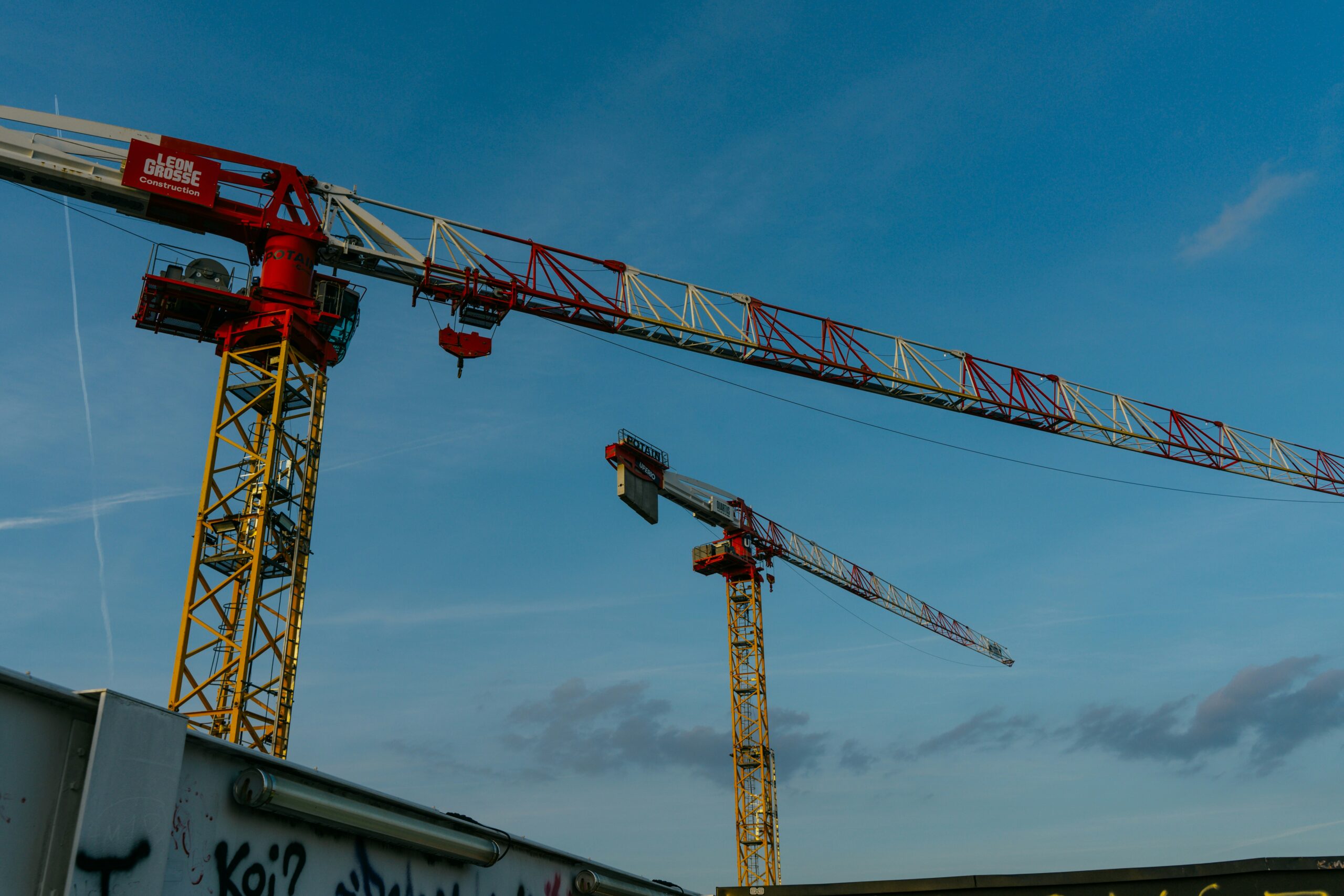
HOUSTON, Texas – The global heavy lifting market is expected to reach a value of more than $44.6 billion by 2034, facing the challenge of replacing approximately 41 percent of its workforce by 2031 to fill the positions of retiring operators.
To meet the increasing demand for specialized tasks in the sector, it will be necessary to add between 3 percent and 5 percent to the workforce each year. Positions in offshore wind energy project development, civil infrastructure construction and mining-related roles will be among those generating the highest demand.
Companies like Sarens are focusing on recruiting talent from schools around the world, providing specialized training for their staff, and promoting internal advancement as a way to address the shortage of skilled workers affecting the entire heavy lifting sector.
The heavy lifting sector is currently experiencing unprecedented growth. Consulting firms such as Boston Consulting Group predict that the sector will experience sustained annual growth of 5.8 percent through 2034, by which time it will reach a market value of nearly $44.6 billion. However, for this growth to occur, the number of specialized professionals in the sector will need to increase by 3 percent to 5 percent.
In fact, according to forecasts by the Associated Builders and Contractors, in the U.S. alone, the construction industry will need to attract more than 349,000 new workers this year – and 456,000 by 2027 – just to balance supply and demand.
The urgent need to bring in new talent – especially for the development of offshore wind energy projects, civil infrastructure or the mining sector – is compounded by the natural turnover of positions vacated due to retirement or the departure of existing professionals. According to McKinsey, the construction industry will face the need to replace approximately 41 percent of its workforce to fill the positions of workers who will retire by 2031.
Although there is a global trend toward identifying the risks that artificial intelligence poses to employment due to the replacement of workers – which, according to some estimates, could lead to the loss of thousands of jobs – heavy lifting is one of the sectors least affected by this trend.
In fact, according to the McKinsey Global Institute’s report “A Future That Works,” fewer than 5 percent of occupations requiring physical dexterity in complex environments – including heavy lifting – are at immediate risk of being completely replaced by AI. According to the same report, the application of artificial intelligence in the sector will become particularly important in at least 30 percent of jobs in the sector, but only in the planning and design of the operations required to carry them out.
Sarens, world leader in heavy lifting, engineered transport and crane rental services, is well aware of the need to attract new talent to help meet the growing demand for specialized services in sectors such as offshore wind energy projects, civil infrastructure construction and mining-related roles. And just as in other companies in the industry, attracting young talent is crucial to ensuring a supply of specialized personnel in the immediate future, in a profession that offers the opportunity to travel to different countries, integrate into different cultures and benefit from ongoing technological training. To this end, Sarens has various agreements with technical schools and sponsors external training schools as a way to identify and train the professionals of tomorrow.
According to Thijs Lombaert, chief HR officer at Sarens, “Despite technological advances, the core work of a crane operator has not fundamentally changed in recent years. Therefore, for a future operator to work successfully at Sarens, not only is technical knowledge necessary, but also values such as resilience, leadership, communication, teamwork and a strong commitment to safety – both personal safety and that of the environment in which they will be working.”
Although the average age of crane operators at Sarens is relatively low – 43 years old, compared to the sector average age of 48 – more experienced operators have the opportunity to become trainers, mentors, or crane inspectors when they decide the work has become too demanding for them, and to contribute directly to the training of new hires through internal mentoring programs, which allow younger workers to gain the necessary experience to gradually take on more responsibilities in the projects in which they participate.

View Our Latest Print Edition

Fresh Content
Direct to Your Inbox

YOUR RESPECTED INDUSTRY VOICE
Join CNR Magazine today as a Content Partner
As a CNR Content Partner, CNR Magazine promises to support you as you build, design and engineer projects across the U.S.
CNR is equipped and ready to deliver a dynamic digital experience paired with the top-notch, robust print coverage for which you’ve known and respected us for since 1969.