It’s Time to Go Back to the Basics in Construction Safety & Health
By KEVIN CANNON
The construction industry has seen stubbornly high fatality numbers and rates.
In fact, from 2019 to 2023, the fatality numbers have averaged 1,040 per year with most driven by what’s considered the “Focus Four” – falls (including slips and trips), struck-bys, caught-in-betweens and electrical hazards. All of these are preventable with proper training, the implementation of an effective safety and health program and a positive safety culture that focuses on people rather than numbers – a culture that encourages and rewards workers for doing the right thing, even when no one is looking.
According to a 2024 report from the National Safety Council, 65 percent of employers have researched or considered adopting new safety technologies. The data was collected across all industry sectors. The data is supported by the increased number of construction firms and safety professionals who have adopted technology-based solutions to improve employee engagement. These include micro-learning apps, hazard recognition and becoming more efficient in the collection and use of data. These also include wearables, predictive analytics solutions driven by artificial intelligence and a host of other tech platforms to assist with jobsite inspections and audits.
The more tools available to industry professionals to enhance safety and health on construction projects – such as the adoption and implementation of technology-based solutions – can produce positive results.
However, increased use and improper planning for the implementation of safety technology can generate a significant amount of data that construction firms may be unprepared to manage. This can potentially lead to situations where safety officials are overwhelmed by massive amounts of data revealing too many previously unknown risks. Additionally, employees may be resistant to new technology due to a lack of understanding or skills, fear of constant monitoring by their employer or simply a general resistance to change.
Perhaps it is time to go back to the traditional way of doing safety.
That doesn’t mean going back to the “safety cop” mentality that was once commonplace across all industry sectors. Getting back to the basics in construction safety means re-emphasizing fundamental rules and practices to create a safer work environment. It involves consistently following core safety procedures like wearing personal protective equipment (PPE), maintaining a clean and organized jobsite, inspecting and maintaining equipment and reinforcing safety policies through training and leadership commitment.
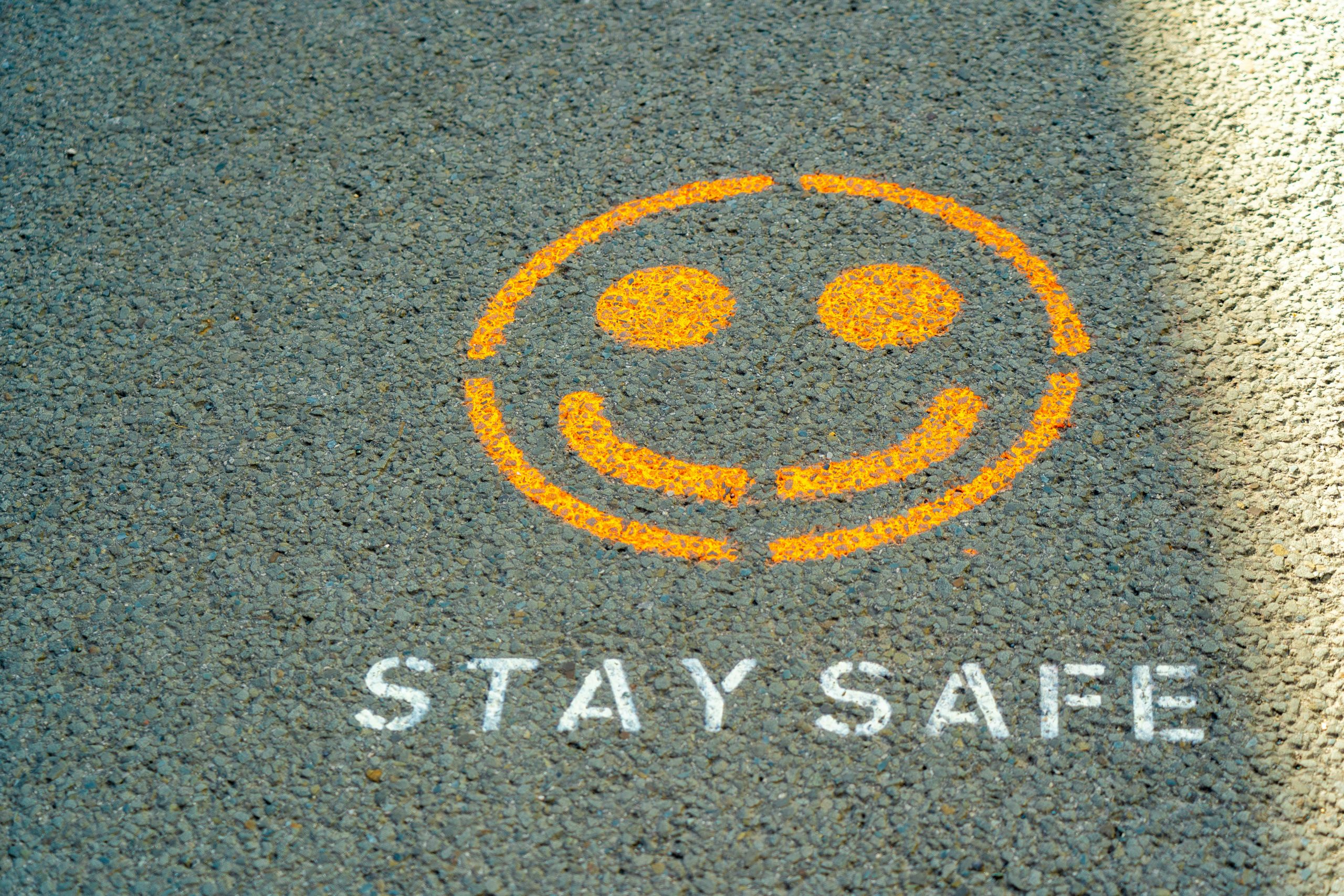
Let’s focus on the countless number of small decisions that are made every day to build safely. The crews that double-check the safety plan every day to ensure that each and every hazard involved in the process is captured. The superintendent or foreman who pauses a job because of the unexpected. And most importantly, the workers who speak up even when it’s uncomfortable. Each of these demonstrates a strong commitment to worker safety and health. You don’t need technology to accomplish this: just old-fashioned people skills. Showing that you care, not because of a policy or regulation, but because you care.
Our construction professionals are the industry’s most valuable asset. Establishing a positive safety culture can lead to change. Safety culture should not be measured in the absence of incidents, but rather by how effectively safety information and updates are provided, management leadership or even how quickly safety hazards and concerns are addressed. We can achieve this by listening and learning from those who perform the work. Leading by example by modeling safe behavior. The same rules should apply, regardless of your position. We need to be building trust through transparency, which encourages and empowers workers to report hazards. And we need to commit to continuous learning. Learning can still take place when everything is going right.
Kevin Cannon is the director of safety & health services for the Associated General Contractors of America. You can reach out to Kevin via [email protected].

View Our Latest Print Edition
Fresh Content
Direct to Your Inbox