By IAN GRAY
When jobsite safety is on the line, it’s not just about the hard hats.
It’s about what’s happening under them. As pressure mounts in the construction industry with short timelines, labor shortages and tight margins, safety is often overlooked. Mental health and emotional fitness are now central to keeping crews safe.
As a passionate advocate for culture-first safety, it’s time to move past surface-level awareness and get serious about solutions.
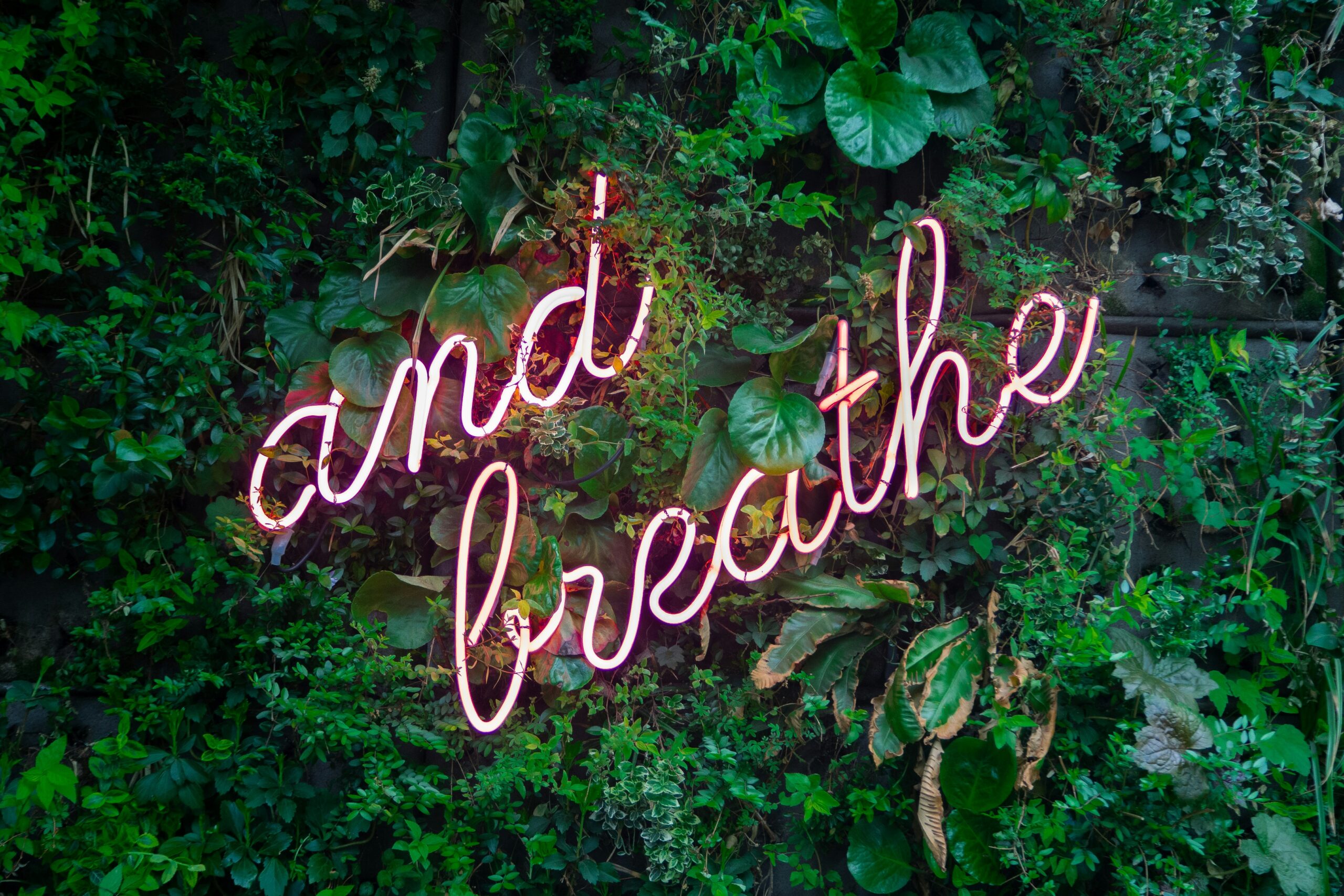
It’s all about mindset, mental fitness and why a single breath might be the best tool in your safety kit.
I’ll be honest. Every May, we roll out the banners, talk about mental health and then… June 1st hits. Crickets. We don’t need more awareness. We need action. Telling people that suicide is a problem isn’t the same as giving them tools to manage their mental fitness on the jobsite. And for executives, the most impactful thing they can do isn’t another toolbox talk. It’s making sure their people are mentally sound and supported every day.
If we think about lagging indicators, which tell us what’s already happened, then leading indicators give us a chance to influence what happens next. Everyone talks about leading indicators in safety, like doing a safety walkthrough. But the ultimate leading indicator is the mindset your crew brings to the job that morning. Are they distracted? Overwhelmed? Burned out? That mental state – what I call cognitive chaos – can directly impact decision-making. And in construction, bad decisions aren’t just costly. They’re dangerous.
Think about it: If someone’s going through a breakup, worried about money or dealing with anxiety, that’s what he or she is carrying into the trench. And I don’t want to be walking under scaffolding while that person is making critical picks. This isn’t about being soft. It’s about performance. High-stakes roles demand mental clarity, and that takes training.
Mental fitness is very different from therapy. It’s proactive. It’s practical. We’re talking about teaching teams how to pause, breathe and reset their nervous systems under pressure. One technique we use is called the “BAMO” breath, short for Breathe And Move On. It’s simple but powerful. A breath between stimulus and response can be the difference between a mistake and a sound decision.
The biggest blind spot I see in the industry is assuming everything’s fine if someone isn’t speaking up. The real blind spot is what you can’t see – what people are dealing with mentally. There’s still a stigma around asking for help. And on top of that, a lot of jobsites don’t even provide a physical space where someone could take a moment if he or she needed to. We need both mental and physical safe spaces onsite.
The jobsite safety culture is slowly shifting. I think companies are starting to understand that protecting the worker is protecting the business. It used to be all about reducing liability. Now, more leaders are realizing that when your team is mentally strong, the ripple effect is massive: fewer mistakes, less burnout, better outcomes. But we need to keep that momentum going, not just during annual safety week.
Despite what the stats say, people care. A lot of good things are happening out there. We just don’t talk about them enough. So, to the folks closest to the point of consequence: Keep going. Keep showing up. Your wins far outweigh the challenges, and there are people out here who’ve got your back.
*****
For those interested in the breathing technique mentioned above, below is a quick breakdown of how to do it.
Breathe And Move On:
It’s a technique Ian Gray teaches as part of mental fitness training, and it’s as simple as it is effective. When stress hits (and it will), the BAMO breath is a moment to reset the body’s fight-or-flight response and make space for better decision-making.
Here’s how to try it next time you’re under stress:
- Pause. Don’t react right away.
- Take a deep breath. Inhale through your nose, hold for a few seconds and exhale slowly.
- Reset. Feel your heart rate slow. Let go of the noise.
- Move on with more clarity and control.
Use it before a critical pick, in a heated moment or anytime your crew is stepping into a high-stakes task. One breath can make all the difference.
Ian Gray is an account executive at SALUS.

View Our Latest Print Edition
Fresh Content
Direct to Your Inbox